Mayor Wu Targets All-Electric School Bus Fleet By 2030
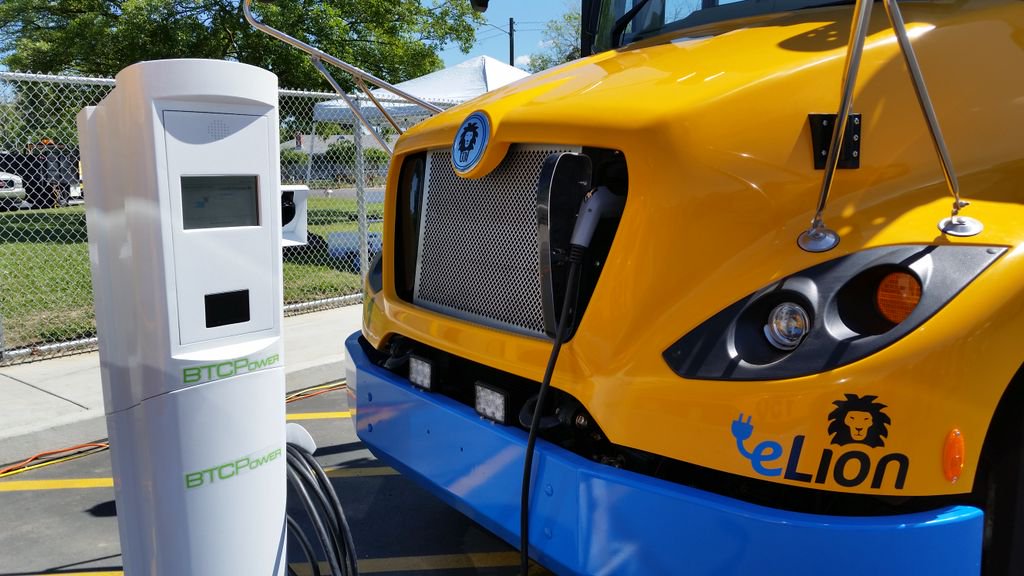
Mayor Michelle Wu announced Wednesday that she was making progress on one of her campaign promises by procuring 20 electric school buses for the Boston Public School system as a first step towards electrifying the city’s fleet of 739 yellow school buses by 2030.
According to a press release from the Mayor’s office, Boston Public Schools (BPS) will by 20 electric buses within the next 8 to 10 months, using funds from the school system’s operating budget and from the American Rescue Plan Act. These first buses will initially replace older diesel-burning buses in the school system’s fleet.
In a parallel initiative, BPS will also launch a new vocational program focused on electric vehicle maintenance at Madison Park Technical Vocational High School.
“Not only are we working to electrify our school buses and municipal fleet for cleaner air throughout our neighborhoods, but these workforce development pipelines connected to electric vehicles will help support career pathways into the green economy,” said Mayor Wu in a press release announcing the two programs.
The City of Boston estimates that its 739 school buses produce about 11 percent of the City’s municipal emissions. Since 2016, BPS has been replacing older diesel buses with propane-fueled buses, which produce less air pollution. But new electric buses will eliminate tailpipe emissions altogether to improve air quality and reduce noise pollution around the city’s schools.
School buses have been identified as a promising use for battery-powered engines because they are typically used for short trips and can be recharged in the middle of the school day, whereas electric transit buses must have adequate battery capacity to operate for much longer periods.
A December 2021 report for the California Air Resources Board estimated that there were approximately 1,700 electric school buses that had been funded, ordered, or deployed by the start of the 2021 school year – a tiny fraction of the 500,000 school buses operating in the United States.
But that fraction is expected to grow quickly. The “Bipartisan Infrastructure Law” that was enacted in November 2021 included a $5 billion line-item to support decarbonizing the nation’s school bus fleets.

Read More:
Streetsblog has migrated to a new comment system. New commenters can register directly in the comments section of any article. Returning commenters: your previous comments and display name have been preserved, but you'll need to reclaim your account by clicking "Forgot your password?" on the sign-in form, entering your email, and following the verification link to set a new password — this is required because passwords could not be carried over during the migration. For questions, contact tips@streetsblog.org.