Forest Hills Residents Petition for Safer Hyde Park Avenue After MBTA Bus Driver Kills Their Neighbor
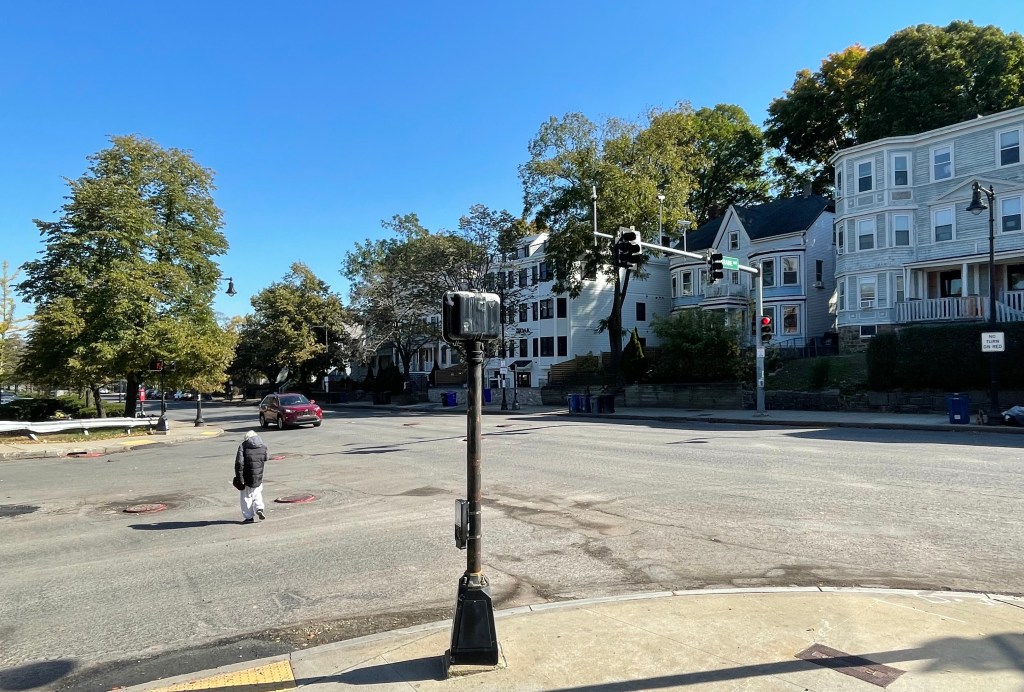
On Saturday, an MBTA bus driver ran over Glenn Inghram, who later died of his injuries, in a crosswalk outside of the Forest Hills MBTA station’s lower busway.
The homicide occurred just before noon on Saturday. The bus driver was apparently attempting a left out of the Forest Hills busway towards the Arborway at the Tower Street traffic light when they struck Inghram in the crosswalk. Neighbors report that Inghram was walking his dog.
On Tuesday, angry Forest Hills neighbors posted an online petition to demand immediate safety improvements for the area from the City of Boston, MassDOT, and the MBTA.
“As residents of Forest Hills, Woodbourne, and Jamaica Plain, we have for many years witnessed traffic and pedestrian safety deteriorate around Forest Hills Station. In the wake of immense tragedy, we ask you to address the dangerous and worsening infrastructure with greater haste,” the petitioners write.
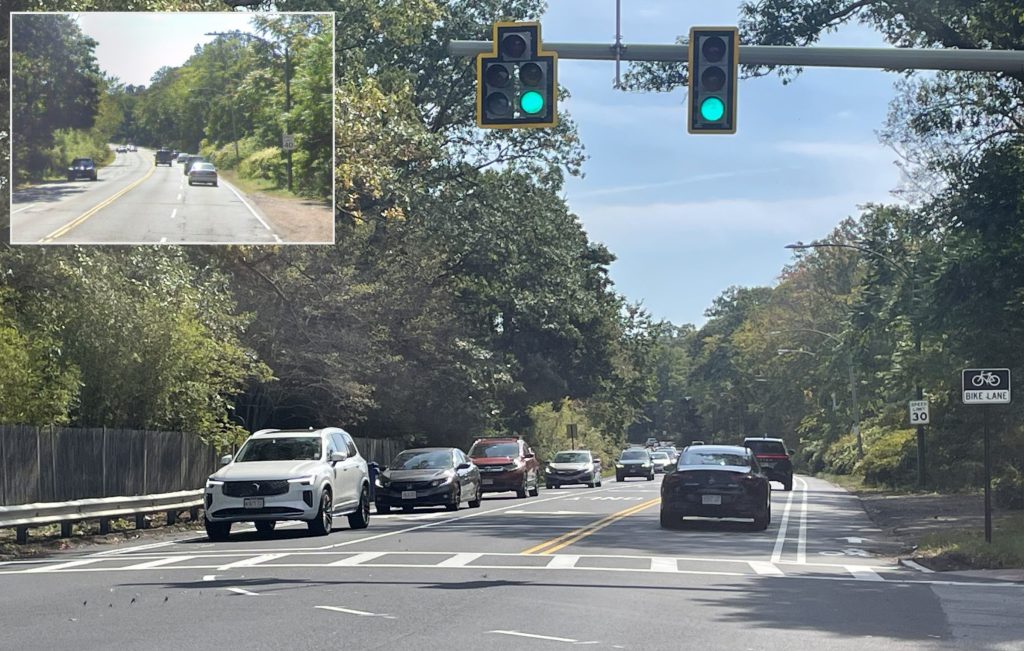
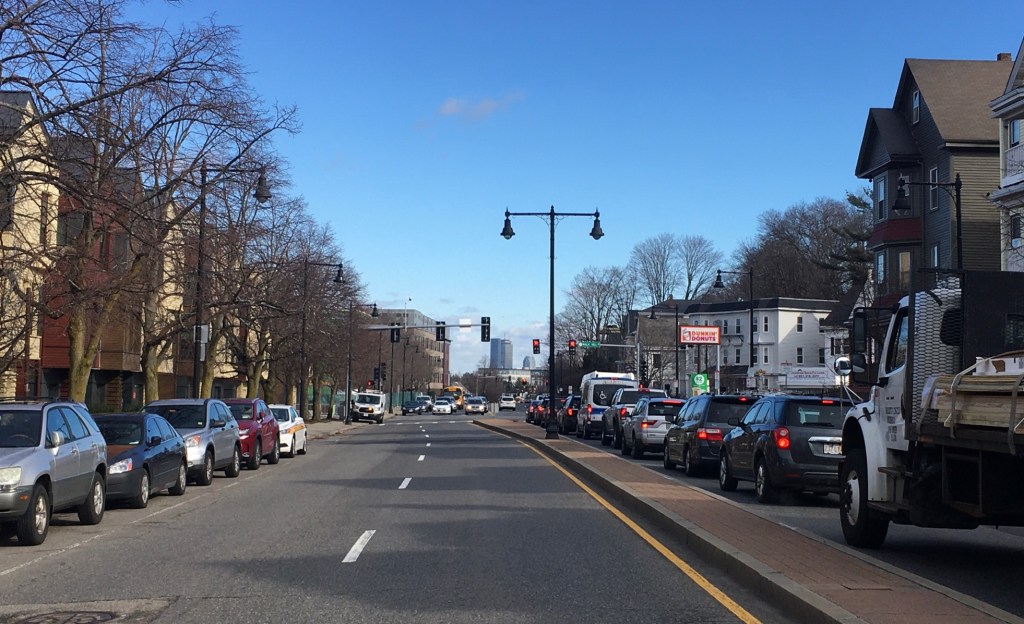
Although it’s a busy transit hub with heavy foot traffic, Forest Hills station is surrounded by multi-lane, high-speed roadways.
The block south of the station, where Hyde Park Avenue turns into Washington Street, is lined with small businesses across the street from the station.
But the street in between features four lanes for motor vehicles plus two lanes of on-street parking – a street layout that the City of Boston has acknowledged is unsafe, especially for pedestrians in crosswalks.
In their petition, Forest Hills neighbors allege that “cars speed through hoping to catch green lights, and weave dangerously between lanes with aims of the same. There is scarce room for pedestrians or cyclists to move safely in this area… Intermittently, cars and motorcycles now park on the sidewalk. There is no visible traffic enforcement around Forest Hills, and speeding and red light running has become rampant.”
In 2020, just before the Covid-19 pandemic, the City of Boston launched a planning effort to redesign Hyde Park Avenue with traffic-calming safety improvements. Preliminary designs included protected bike lanes that would connect Hyde Park to the Southwest Corridor, new bus lanes for the MBTA’s route 32 buses, and a slower, narrower roadway for general motor vehicle traffic.
But the pandemic put those plans on hold, and other projects have occupied more attention from city officials since then.

Read More:
Streetsblog has migrated to a new comment system. New commenters can register directly in the comments section of any article. Returning commenters: your previous comments and display name have been preserved, but you'll need to reclaim your account by clicking "Forgot your password?" on the sign-in form, entering your email, and following the verification link to set a new password — this is required because passwords could not be carried over during the migration. For questions, contact tips@streetsblog.org.