Guest Column: Imagine More Forgiving Neighborhoods

Balancing life between Boston’s suburbs and the city has turned into a high stakes obstacle course: miss a train, hit traffic, forget one errand, and your day unravels.
We’re told to plan better, leave earlier, drive more. But the question shouldn’t be whether people should plan better. It’s whether Boston should. In a world governed by uncertainty, good urban design shouldn’t make life perfect, just more forgiving.
Imagine a day where mistakes don’t cost everything:
It’s 10 p.m., the night before your daughter’s birthday. Every year you bake her a cake from scratch. But the day ran away from you, and now you’re staring at an empty bag of flour. The corner store is a quick walk or bike ride, but it closed at nine.
So you text the new neighbor. He’s awake. You walk over, invite him to the birthday party in the park across the street, take some flour, and head home. By midnight, the cake is ready.
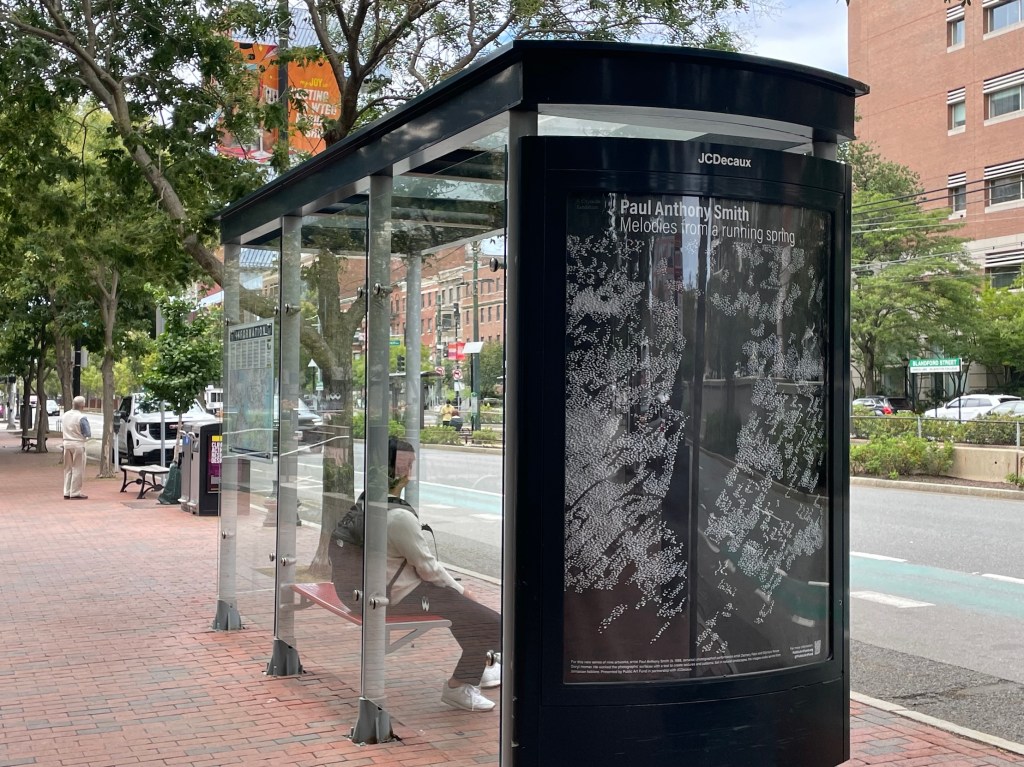
In the morning, she hops on her bike as other kids ride past to school. You bike to the train station ten minutes away. She waves goodbye as you part ways at the intersection. You arrive just as the train is leaving, but the next one comes in five minutes.
On board, you read your book, make a grocery list for the party, and people-watch. After twenty minutes you get off at your stop and walk a few minutes to your building. You feel accomplished: you made progress on your book and asked an elderly woman where she got her indestructible-looking winter boots, immediately adding them to your Christmas shopping list.
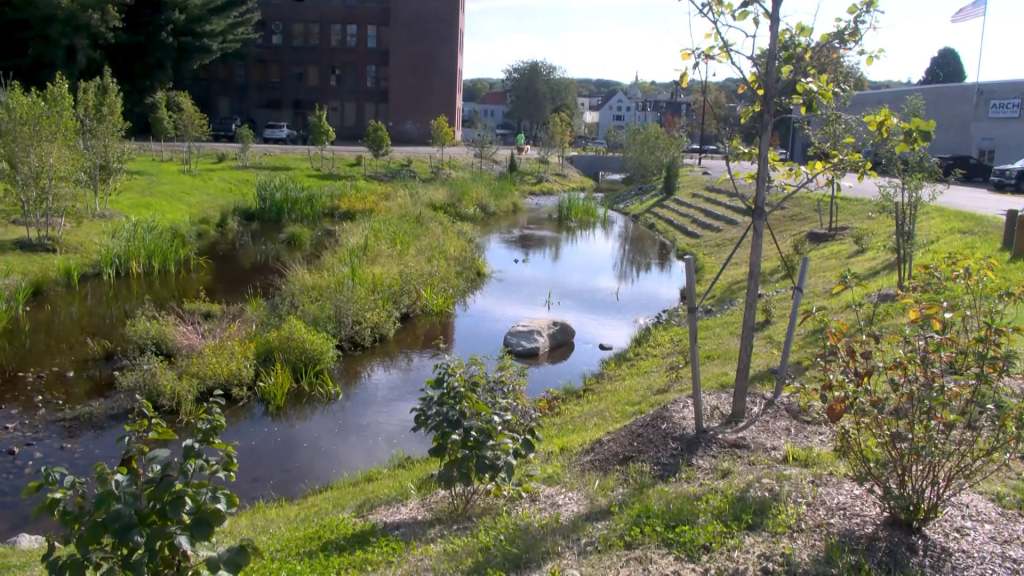
You might not live in the city, but your neighborhood offers some of the same city’s conveniences, while offering space for your family. It’s dense enough for daily needs, connected enough to lean on neighbors, and spacious enough to offer parks for nature and recreation.
You grab groceries along your bike ride home from the station. If your daughter needs a doctor, you take her in the cargo basket and reach the hospital faster than a car stuck in traffic. The park across your home is where kids learn to play, share, fall down, and get back up. While she plays there after school, you run to the corner store to get balloons you forgot to blow up for her party.
In 24 hours, you ran out of flour, missed a train, and forgot balloons. Yet life kept moving. That’s when it clicks.
You’re not a disorganized person. But on days when many of us are juggling kids, work, and rising costs, your neighborhood absorbs your human imperfections. When places are designed around people rather than isolation or constant driving, small mistakes don’t become crises.
Of course, not everyone sees this as realistic. Many of us grew up in suburbia with long drives, traffic as a lifestyle, and transit as an afterthought, where distance squeezes daily life. We were trained to think that space, privacy, and calm are only possible in the suburbs.
We thought suburbia could only be built one way, but over time, some of our suburbs have changed. Towns re-legalized corner stores. New transit lines opened; others became more reliable. Some neighborhoods welcomed more affordable townhomes and apartments to coexist among their older single-family homes. And driving turned into a choice, not a requirement.
When walking, biking, and transit become viable, family life doesn’t get crowded out, it gets easier. Cheaper, too.
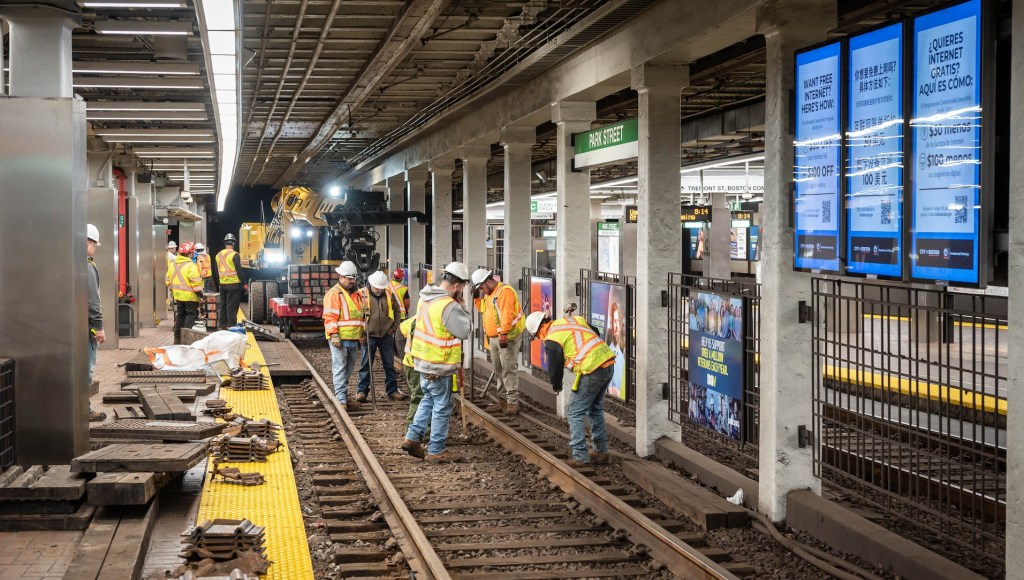
Now, the Boston area is at a similar inflection point. Communities wrestle with the MBTA Communities mandate, stalled zoning reforms, outdated parking requirements, and neighborhood pushback.
To find a way through these endless conflicts, maybe we should ask a deceptively simple question: Do the plans we envision help people recover from an imperfect day?
That framework shifts the goal of urban and suburban design from optimizing for speed, efficiency, or growth, toward everyday humanity. The value of a bike lane isn’t just traffic flow, it’s flexibility. A corner store isn’t just a business, it’s redundancy. Public parks aren’t just recreation, they’re shared care.
We need the political will to support designs that make room for human error: to invest in transit for the time it saves us, to plan neighborhoods that allow children independence, elders dignity, and families margin, and to see proximity not as congestion, but as possibility. It sounds idealistic, but it’s not unrealistic.
We already know how to build places like this. We just forget, sometimes, that it’s not the architecture or the bike lanes or the transit schedules alone that matter, it’s the lives they make possible. It’s the small, ordinary joys they support. Because when cities and their surroundings are designed with care, they hold us up when we falter.
This is the Boston I imagine for our future, because in pieces, I’ve already lived it.

Read More:
Streetsblog has migrated to a new comment system. New commenters can register directly in the comments section of any article. Returning commenters: your previous comments and display name have been preserved, but you'll need to reclaim your account by clicking "Forgot your password?" on the sign-in form, entering your email, and following the verification link to set a new password — this is required because passwords could not be carried over during the migration. For questions, contact tips@streetsblog.org.