City of Cambridge Reports Better Bike Lanes Led to Surge In Bike Traffic
A City of Cambridge traffic analysis finds “that investing in high-comfort bikeways is helping more people than ever choose to bike in Cambridge” with a 250 percent increase in citywide bicycle traffic since 2004.
Last month, the City of Cambridge published its biennial Biking in Cambridge Data Report, which compiles the city’s bike traffic counts from 16 intersections across the city in addition to other data, like Census surveys and Bluebikes usage.
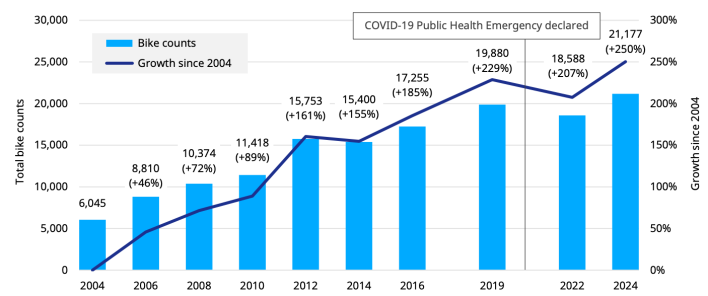
Cambridge has been conducting bike traffic counts at these same 16 locations since 2004, the same year the city built its very first physically-separated bicycle lanes on Vassar Street as part of an MIT construction project.
The city conducts those counts on September weekdays during two-hour periods in the typical morning and evening commuting hours (7:30 to 9:30 a.m. and 4:30 to 6:30 p.m.), and the raw data is published on the city’s data portal.
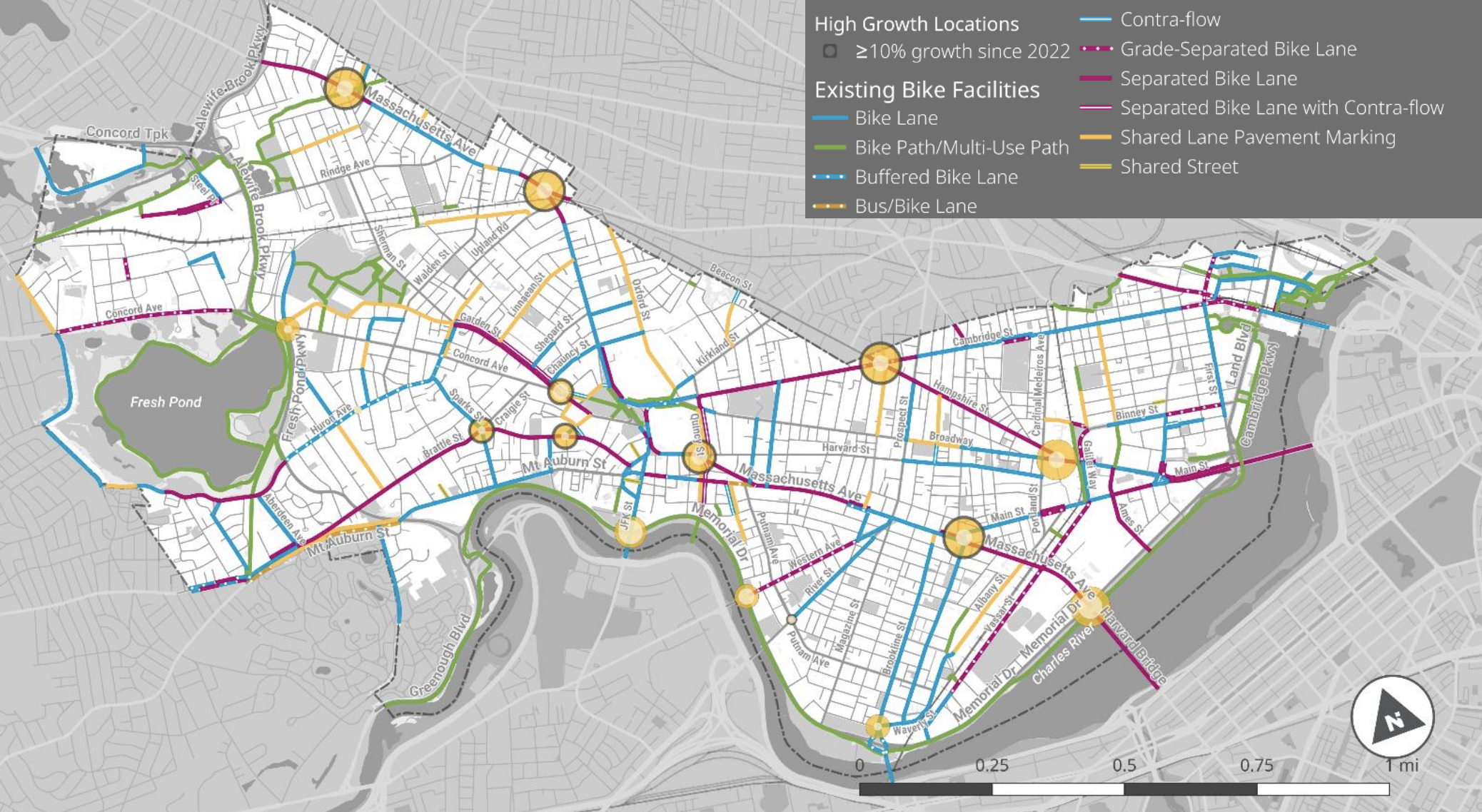
In addition to the citywide growth trend, the counts have revealed even higher growth in bike traffic in intersections where Cambridge has upgraded bike infrastructure.
Many of the places where Cambridge has installed new physically-separated bikeways since 2020 – Massachusetts Avenue, Inman Square, and along Garden and Brattle Streets – are also places where the city has witnessed the most growth in bike traffic:
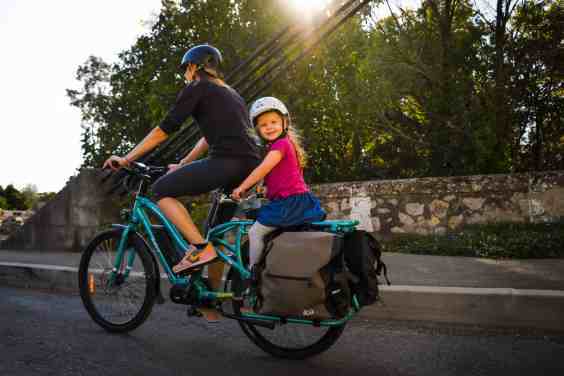
The city’s report notes especially strong growth in the number of kids riding their bikes in the city. In the decade since 2014, the number of children recorded in the city’s biennial counts has more than tripled.
In Inman Square, where the city completed new protected bike lanes and safer crosswalks in 2023, the city recorded an almost eight-fold increase in the number of kids on bikes.
Other findings from this year’s data:
- The number of reported bike crashes is on a downward trend, even though more people are biking. The rate of bike crashes per million bike miles travelled in Cambridge has declined from around 20 in the early 2000s to about 12 in 2024.
- Fewer people are riding bikes on sidewalks: in 2004, about 15 percent of people counted were riding their bikes on sidewalks; in 2024, only 5 percent were. The biggest decreases were on streets with new separated bikeways: between 2022 and 2024, a count site at the Concord Ave./Garden Street intersection saw sidewalk riding decline from 7 percent to just 2 percent.
- The rate of increase in counted bike traffic (250 percent since 2004) considerably exceeds the city’s rate of expansion in physically separated bikeway mileage (which grew by 110 percent in the same period).
Read the full data report here: Biking in Cambridge Data Report 2025

Read More:
Streetsblog has migrated to a new comment system. New commenters can register directly in the comments section of any article. Returning commenters: your previous comments and display name have been preserved, but you'll need to reclaim your account by clicking "Forgot your password?" on the sign-in form, entering your email, and following the verification link to set a new password — this is required because passwords could not be carried over during the migration. For questions, contact tips@streetsblog.org.