MBTA Rolls Out Real-Time Crowding Data for Nine Bus Routes
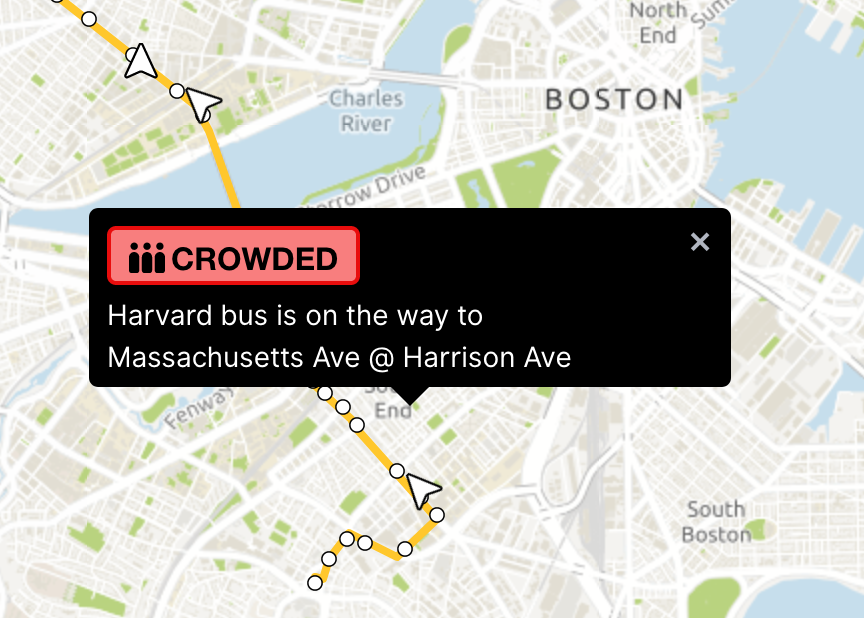
The MBTA has started broadcasting real-time bus crowding information for nine bus routes on its website, digital signs, and on the Transit smartphone app, making it the largest U.S. transit agency to share real-time crowding information available to riders.
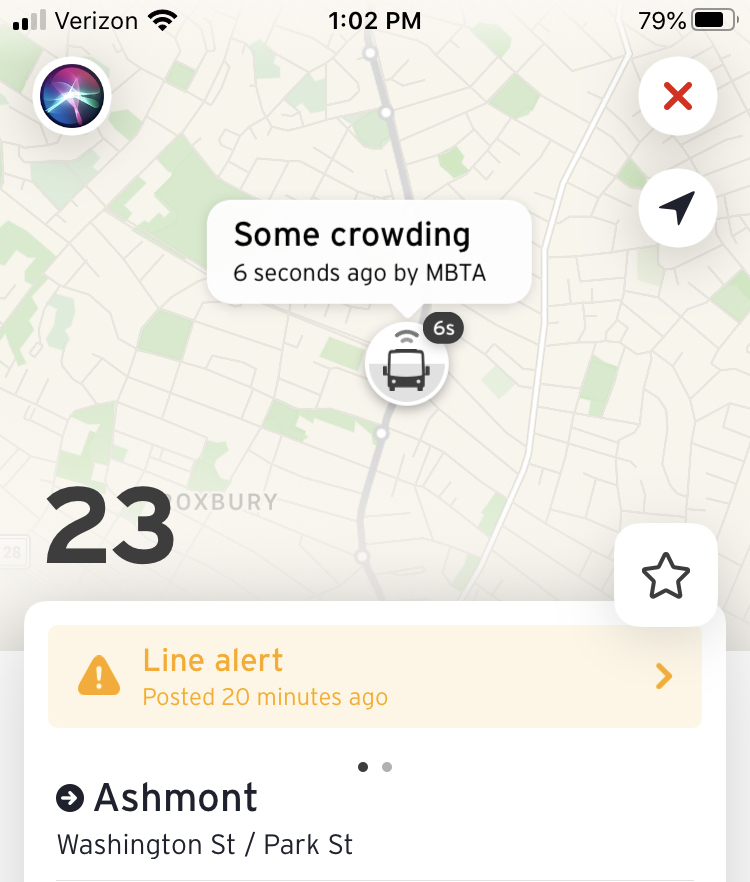
Initially, the new data will be available on nine routes: the 1, 15, 16, 22, 23, 31, 32, 109, and 110.
“We’re excited to offer this new real-time feature as a pilot to our riders to help limit crowding as customers begin to return to the MBTA system,” said MBTA General Manager Steve Poftak in a press release. “With riders requesting information about crowding, this new real-time information provides riders with the confidence and flexibility to make informed choices about their commutes.”
Crowding levels are described as “Crowded,” “Some Crowding,” and “Not Crowded,” with standards based on lower crowding thresholds that allow for greater physical distancing on buses.
The T says that it selected these nine routes because they have maintained relatively high ridership through the course of the pandemic.
Notably absent, however, is the 111 to Chelsea, the region’s hardest-hit community in the COVID-19 crisis. Crowding on the 111, a route that essential workers rely on to cross the Mystic River into Boston, has attracted widespread media attention this spring.
“Route 111 is among the routes where we most want to publish crowding information,” wrote MBTA spokesperson Lisa Battiston in an email to Streetsblog on Friday. “That said, our Customer Technology team is carefully validating data accuracy before this real-time crowding feature is turned on for each bus route, and I’m told there are some issues with the accuracy and quality of real-time crowding data for the 111, (so) Customer Technology isn’t yet comfortable turning the feature on for this route. We recognize how important this feature is, especially for 111 riders where there’s been high ridership, and hope to provide crowding data features soon.”
The crowding data come from automated passenger counters (APCs), sensors installed at the front and rear doors that detect when someone boards or exits from the bus. MBTA staff have been riding buses and counting passengers manually to verify the accuracy of the APC counters’ reports, and as that verification process continues, crowding data will be made available on more routes over the course of the summer.

Streetsblog has migrated to a new comment system. New commenters can register directly in the comments section of any article. Returning commenters: your previous comments and display name have been preserved, but you'll need to reclaim your account by clicking "Forgot your password?" on the sign-in form, entering your email, and following the verification link to set a new password — this is required because passwords could not be carried over during the migration. For questions, contact tips@streetsblog.org.