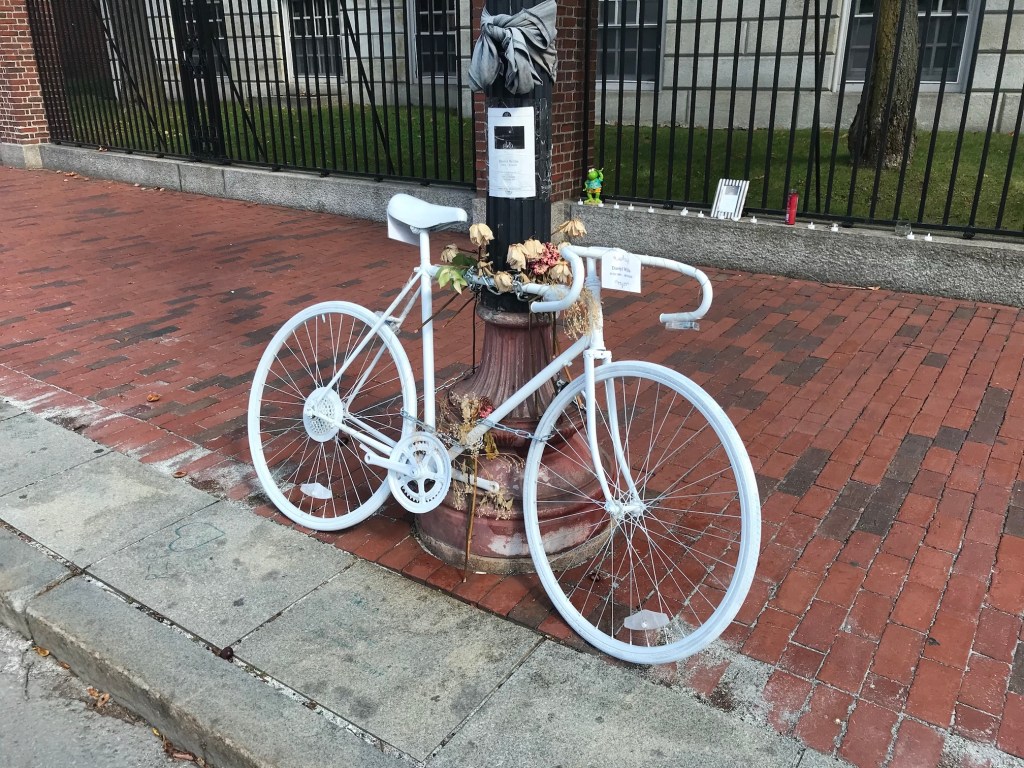
A Hard Right Turn: The Moment the U.S. DOT Abandoned U.S. Walkers
Federal transportation officials have never done much to center the needs of pedestrians in their policies or funding decisions. But in 2012, things took a turn for the worse.
11:24 AM EDT on August 21, 2020

Christian has edited StreetsblogMASS since its founding in spring 2019. Before that, he was a data reporter for the Portland Press Herald in Maine.
Got tips? Send them to me via Signal, the encrypted messaging app, at 207-310-0728.
Read More:
Streetsblog has migrated to a new comment system. New commenters can register directly in the comments section of any article. Returning commenters: your previous comments and display name have been preserved, but you'll need to reclaim your account by clicking "Forgot your password?" on the sign-in form, entering your email, and following the verification link to set a new password — this is required because passwords could not be carried over during the migration. For questions, contact tips@streetsblog.org.
More from Streetsblog Massachusetts
Six Days on the Road and Tuesday’s Headlines May Not Make It Home Tonight
Jalopnik points out that there are certain vehicles that average people have no business driving.

October 27, 2026
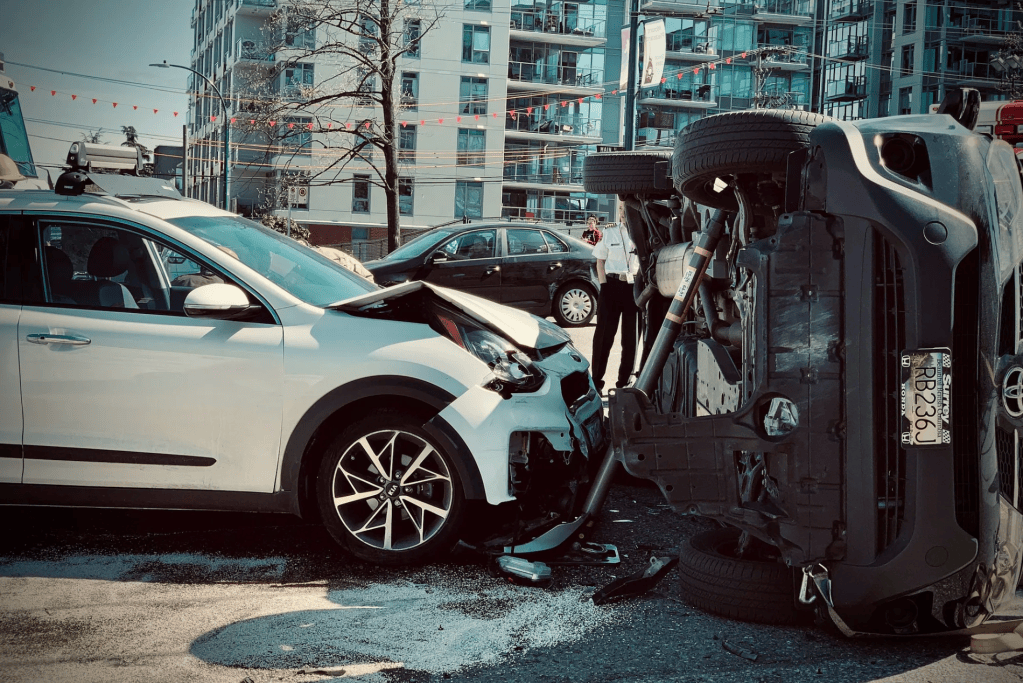
Why Deadly, Illegal E-Motos Are On The Rise – And Why E-Bikes Are Being Blamed When They Crash
...and what we can do to protect our kids *and* the e-bike revolution.

October 26, 2026
Eyes On the Street: Somerville’s ‘Corridor of Death’ Gets Less Deadly
Drivers haven't killed anyone in the "Corridor of Death" since 2021, and the number of driver-inflicted injuries in the area has declined nearly 80 percent since 2021, according to MassDOT crash data.
October 22, 2026
Friday’s Headlines Shoot Themselves in the Foot
Gas taxes pay for transit, too, so what happens when politicians pander to voters, and the highway trust fund runs dry?
October 22, 2026
This Sunday: ‘Ride For Your Life’ Event Brings Safety Demands to Beacon Hill
Sunday's event will begin at noon in the Boston Common for the ride and the walk, followed by a 1 p.m. rally in the Common.
October 22, 2026