Guest Column: License Suspensions Are Devastating — And They Aren’t Making Our Roads Safer
"The drivers most at risk of losing their license for debt are the ones least able to pay, not the ones most likely to drive dangerously."
The post Op-Ed: License Suspensions Are Devastating — And They Aren’t Making Our Roads Safer appeared first on Streetsblog USA.
How we got here
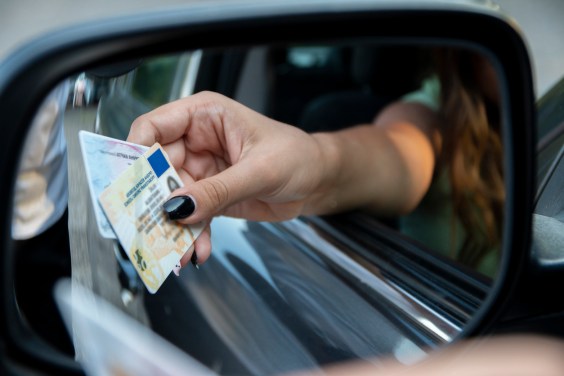
Like many bad policies, the practice of withholding a license over unpaid debt is one the US muddled its way into. Until the 1960s, when nearly every state began requiring auto insurance, uninsured drivers could suddenly owe huge sums of money if they caused a crash. States tried to prod drivers into paying — and punish them if they failed to do so — by taking away their licenses and refusing to restore them until the debt was cleared. Once states decided they liked the basic idea of using suspensions to coerce payment, though, they started applying the tactic to other forms of debt, too. And when low-income drivers in the early auto era objected to all this in court, they tended to lose. After all, judges reasoned, a driver’s license is a privilege, not a right. That argument made sense at a time when the country was nowhere near as profoundly oriented around the car. Today, though, suspending a license can quickly become a punishment that neither fits the crime nor is particularly effective at coercing payment. Not only do suspensions often fail to get people to pay their debts, they also appear to be failing in the exact policy arena in which they are meant to excel: traffic safety. America’s streets are increasingly dangerous, with pedestrian deaths alone reaching a 41 year high last year. Suspending licenses for bad driving makes more sense than suspending them for debt, but it still misses the real threat: everyday driver recklessness that goes overwhelmingly unpunished. The prevalence of suspensions for debt illuminates our transportation policy priorities. Most US communities don’t want to enforce speeding violations with cameras or design roads that make driving fast difficult, nor do we want to fund alternatives to driving. Instead, our road punishments essentially punish poverty in a futile effort to generate revenue — and meanwhile, our roads just get more deadly.The way forward
This is, however, a partially hopeful story. Many states still won’t use cameras to prevent speeding, but they are starting to topple mercenary driver’s license statutes and fines and fees. And while the federal government can’t force states to change their driver’s license policies, they can try to persuade them to. The debate over the injustice of licenses suspensions has even reached Washington DC, where the Driving to Opportunity bill now sits in Congress. The bill offers a carrot to states hesitant to remove suspensions for fines and fees because of the administrative costs of reinstatement, offering them grant money to cover those costs so long as they abolish suspensions for failing to pay fines and fees at the same time. The bill also acts as a stick towards the four states that still allow license suspensions for drug offenses unrelated to driving — one of the vestiges of our country’s ineffective and disproportionate War on Drugs policies — by rescinding a portion of those states’ federal highway funds if they don’t change their policies. Driving to Opportunity is a sensible bill, one that manages to unite criminal justice advocates alongside libertarians wary of state interference, as well as conservatives concerned that suspensions cost taxpayers and hurt the economy. Taking away licenses for nonpayment does little to improve safety and quite a bit to reduce people’s overall wellbeing. Hopefully, we can all agree on that — and that changing these policies should be low-hanging fruit for transportation reformers.Miriam Pinski is a transportation scholar affiliated with the Shared-Use Mobility Center. She holds a doctorate in urban planning, and is writing a book about the history of the driver’s license.The post Op-Ed: License Suspensions Are Devastating — And They Aren’t Making Our Roads Safer appeared first on Streetsblog USA.
Streetsblog has migrated to a new comment system. New commenters can register directly in the comments section of any article. Returning commenters: your previous comments and display name have been preserved, but you'll need to reclaim your account by clicking "Forgot your password?" on the sign-in form, entering your email, and following the verification link to set a new password — this is required because passwords could not be carried over during the migration. For questions, contact tips@streetsblog.org.