Washington Pledges $8.7 Million to Support World Cup Transit Service In Mass.
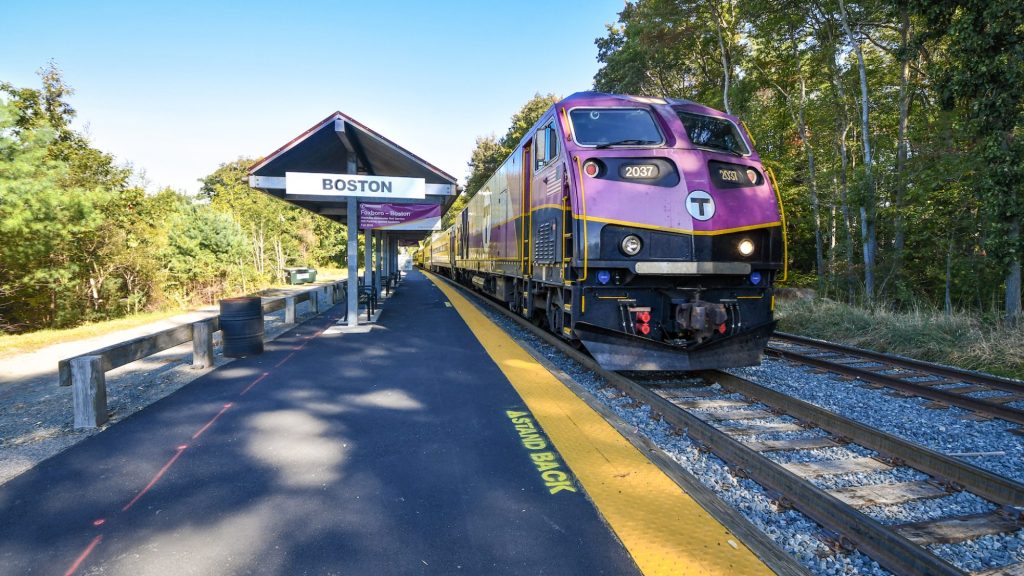
On Tuesday, the Trump administration’s Federal Transit Administration (FTA) announced that Massachusetts will receive $8.7 million to help move World Cup spectators to seven scheduled matches in Foxborough this summer.
The funding is part of $100 million that the FTA will spend to support transit services across 11 host cities this summer. Eligible expenses include operating expenses associated with World Cup public transit service, and the costs of capital projects, like station upgrades.
The national funding will be apportioned based on host cities’ stadium capacity and the number of matches being hosted in each location.
The funding comes from a set-aside for World Cup transit services that was included in the Feb. 3, 2026 budget bill that ended this winter’s government shutdown. That bill re-allocated $100 million in unspent funds from other transit programs.
The MBTA has committed to moving at least 20,000 passengers per match – almost a third of Gillette Stadium’s capacity – via the commuter rail system. At its February board meeting, officials from the T told board members that the agency plans to run as many as 14 trains for each match with non-stop service from South Station to Foxboro.
To prepare for the events, the MBTA has been building two new platforms at its Foxboro regional rail station so that the agency can board two full-length trains at a time with high-level platforms that eliminate the need for passengers to climb stairs to board and disembark from trains.
Streetsblog has migrated to a new comment system. New commenters can register directly in the comments section of any article. Returning commenters: your previous comments and display name have been preserved, but you'll need to reclaim your account by clicking "Forgot your password?" on the sign-in form, entering your email, and following the verification link to set a new password — this is required because passwords could not be carried over during the migration. For questions, contact tips@streetsblog.org.