Wild Idea: MBTA Could Enlist Raptors To Help Make Its Stations Less Crappy
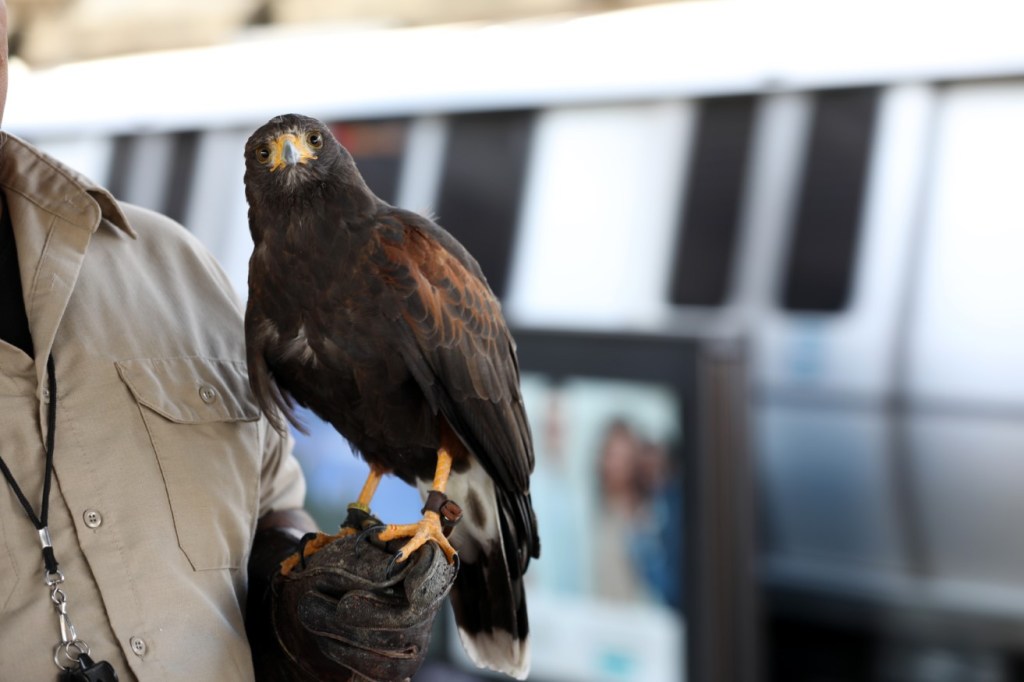
The MBTA is shopping for falconry professionals that could help the agency tackle the with pigeons, seagulls, starlings, and other “nuisance birds” that roost in its stations, feast on commuters’ garbage, and spatter platforms with their excreta.
In August, the T issued a “request for information” from falconry experts who could provide pest control services in its stations and maintenance facilities.
“Pigeons, seagulls, starlings, and other invasive and nuisance birds are drawn to MBTA stations and facilities in search of food and shelter,” according to the MBTA’s solicitation. “Bird droppings can carry diseases, corrode critical infrastructure, and create unsanitary conditions for the public and MBTA employees.”
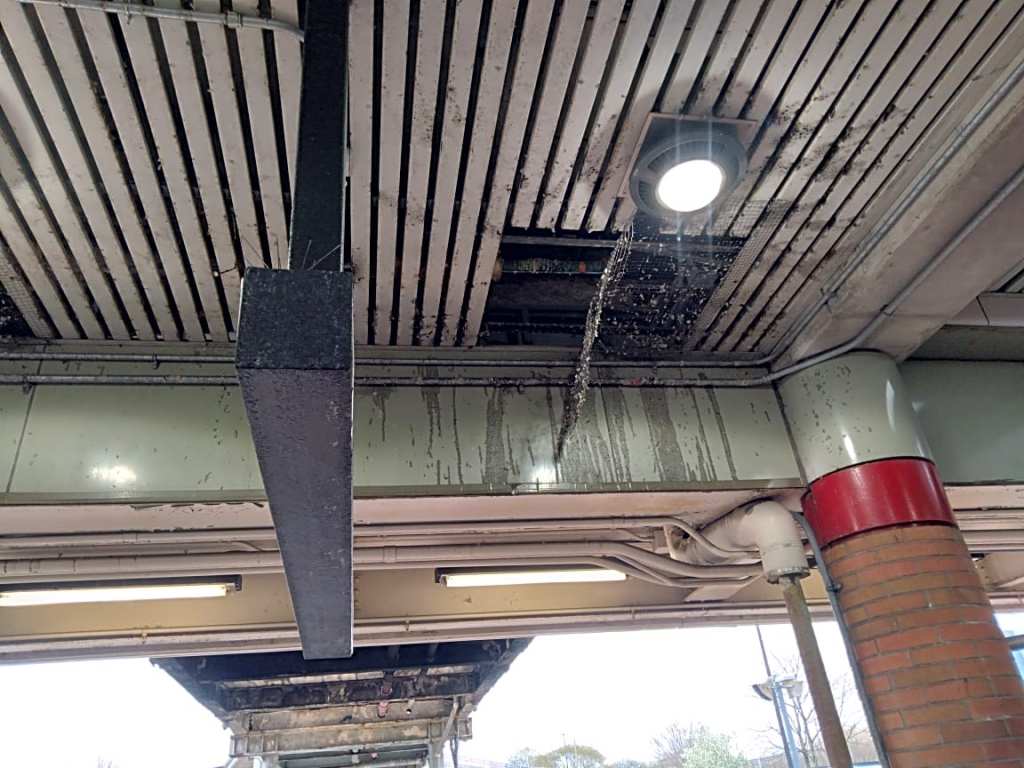
Riders have confirmed these problems in dozens of 311 complaints.
“Bird droppings are are health hazard in North Station,” wrote one Boston 311 complainant in March. “It has been getting worse. Pigeons are pooping all over the stairs and escalators.”
“I have personally been struck by pigeon droppings while exiting the commuter rail,” wrote another T rider in a January 311 complaint. “There is visible accumulation of droppings on the ground, particularly near Avalon and Kicco Italian Coffee,” they added.
Food chain trains
A T spokesperson told StreetsblogMASS that using trained birds of prey to scare away other birds is a common form of pigeon control. They also noted that the Bay Area Rapid Transit (BART) system in California has been using raptors to deter pigeons from nesting in its stations since 2022.
A BART webpage about the program claims that it’s a bloodless intervention.
“Hawks scare away pigeons as part of the natural predator/prey dynamic, but don’t harm the nuisance birds,” claims the BART website.
Nevertheless, the MBTA’s “request for information” asks potential falconers to tell them more about “industry standards regarding carcass removal.”
The solicitation also asks “are there industry best practices to handle negative attention from the public?”
The T is also piloting a program to capture live pigeons in its stations for removal. A T spokesperson told StreetsblogMASS that the trapping program had captured 218 birds as of September 4. The T hands off trapped pigeons to the federal USDA Wildlife Service.
Responses to the MBTA’s birds of prey solicitation were due earlier this month. A T spokesperson confirmed that there has been interest, and based on the responses, the T will next consider issuing a formal “request for proposals” for a pilot program.
Streetsblog has migrated to a new comment system. New commenters can register directly in the comments section of any article. Returning commenters: your previous comments and display name have been preserved, but you'll need to reclaim your account by clicking "Forgot your password?" on the sign-in form, entering your email, and following the verification link to set a new password — this is required because passwords could not be carried over during the migration. For questions, contact tips@streetsblog.org.