Shuttle Buses Exceeding Expectations, But the T’s Own Buses Are Struggling
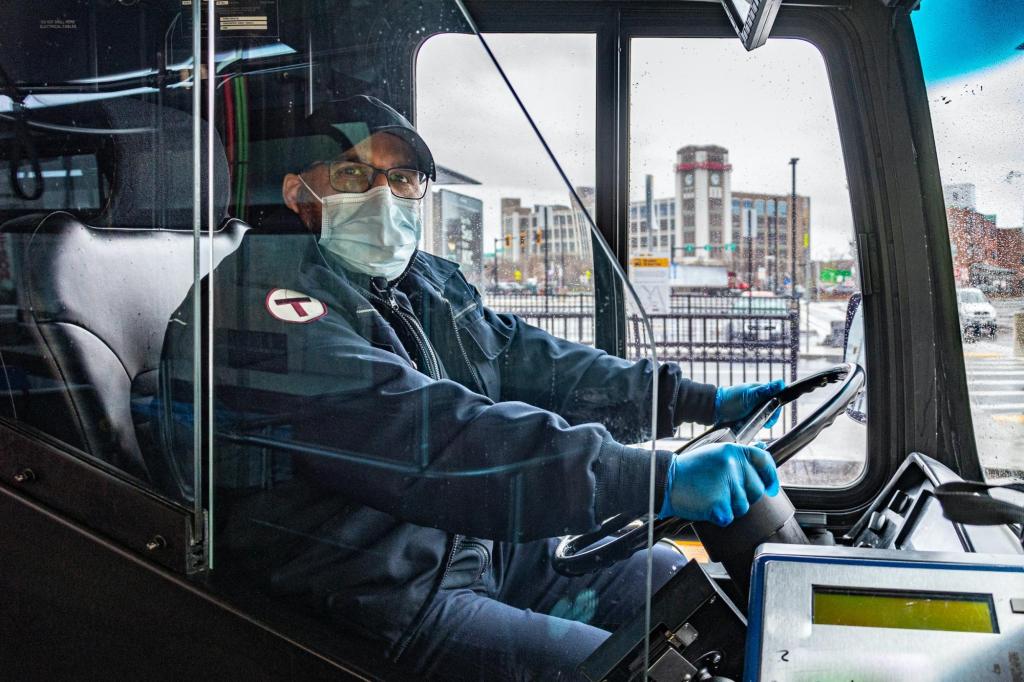
So far, privately-operated shuttle buses replacing Orange Line service have been running fairly smoothly, thanks in part to an impressive mobilization of new bus lanes and expanded curbside loading areas.
But there’s been less assistance for the T’s own bus routes, which are also getting a surge in riders during this month’s major subway service disruptions.
From Sullivan Square, a major transit hub on the Orange Line for people coming in from Everett and Wellington, riders who typically rely on the Orange Line choose between a replacement shuttle bus, or one of three regular MBTA bus routes.
The 92 and 93 both connect Sullivan and Downtown Crossing parallel to the Orange Line, and the CT2 runs between Sullivan and Ruggles via Kendall Square and the Longwood Medical Area.
During the morning peak, the 92 and 93 run every 20 to 30 minutes. Orange Line riders who want to bypass the downtown area altogether can take the CT2 every 30 minutes during the morning peak, and about every 40 minutes until the last scheduled departure from Sullivan Square at 7:20 p.m.
The MBTA also recommends bus route 39 as an alternative route that runs parallel to the Southwest Corridor, from Back Bay to Forest Hills by way of the Longwood Medical Area and Northeastern University.
In the past few days since the Orange Line shutdown, riders have been tweeting their frustrations about crowded buses on these routes:
Things could get more complicated as people return from summer vacations and the region sees its annual influx of students as school starts again after Labor Day weekend.
Next to the Ruggles Orange Line stop, the Northeastern University campus welcomed over 19,000 students last fall; its semester begins on September 1st.
On Wednesday, StreetsblogMASS asked the MBTA whether the agency has plans to increase frequency on the 92, 93, CT2 or the 39, all listed as alternative options for Orange Line service in their Rider’s Guide to Planning Ahead.
“When bus operators are available, the T is adding service on the Route 39 (which serves Forest Hills to Back Bay) and Silver Line 4, which serves Chinatown, Tufts and South Station for those taking advantage of the extra commuter rail service),” wrote Joe Pesaturo, a spokesperson for the transit agency, in an email to StreetsblogMASS.
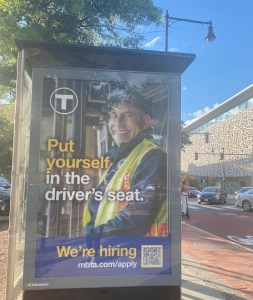
“When bus operators are available” may be the critical phrase in that statement. Like many transit agencies, the MBTA is dealing with a bus driver shortage. The agency is currently looking to fill 300 bus operator positions, according to their website.
Later on Wednesday afternoon, after Pesaturo responded to our inquiry, the T issued an official press release announcing wide-ranging bus service cuts that will take effect this fall.
“Because of ongoing difficulties in hiring new bus operators, approximately three percent of scheduled T bus trips did not occur over the summer months,” according to the press release.
Under the changes, which will take effect on Sunday, 43 MBTA bus routes will operate fewer daily trips. That’s in addition to last winter’s wide-ranging bus service cuts, which were also blamed on driver shortages.
As reported here previously, low entry-level wages for bus drivers have been a significant barrier for the agency’s hiring goals.
New bus conductors at the T can expect a starting pay of $22.21 per hour after a 2.5% wage increase effective last month.
But in the western part of the state, the Pioneer Valley Transit Authority (PVTA), the Commonwealth’s second-largest transit provider, is offering new bus operators a starting rate of $22.50/ hour.
The PVTA’s new hires also begin as full-time employees, whereas new drivers at the T are limited to 30-hour work weeks.
That means that new MBTA bus operators make significantly less money than their peers at the PVTA, even though Boston’s median rents are nearly twice as expensive as they are in Springfield, the biggest city in the PVTA service area.

Streetsblog has migrated to a new comment system. New commenters can register directly in the comments section of any article. Returning commenters: your previous comments and display name have been preserved, but you'll need to reclaim your account by clicking "Forgot your password?" on the sign-in form, entering your email, and following the verification link to set a new password — this is required because passwords could not be carried over during the migration. For questions, contact tips@streetsblog.org.