MBTA Issues ‘Request for Information’ For Bus Lane Enforcement Systems
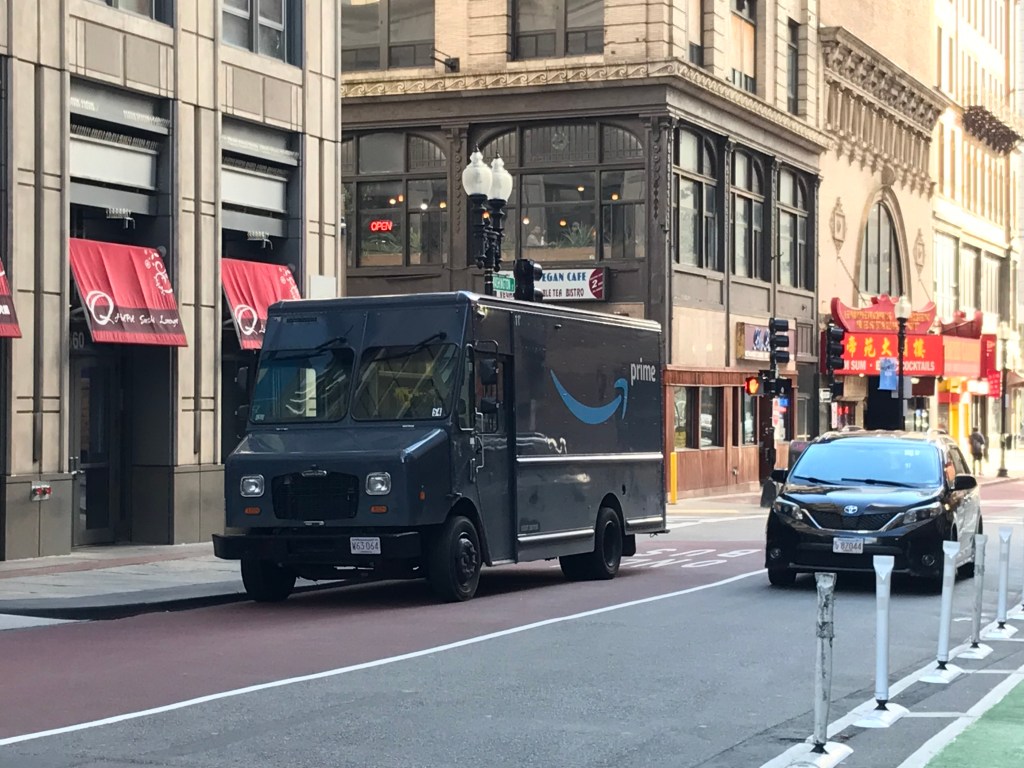
The MBTA has issued a “request for information” for technology firms that could help it identify vehicles that are illegally blocking bus stops and bus lanes and issue fines against their owners, in accordance with a new state law.
“The MBTA seeks to understand the current market for service-proven automated, camera-based enforcement systems that can accurately identify and ticket unlawfully parked, standing, or moving vehicles in bus lanes and at bus stops,” according to procurement documents dated April 2, 2025.
The document goes on to state that the T is looking for “end-to-end solutions” that include camera hardware, software that can accurately identify and review violations, and a public-facing website that can administer fines and collect payments.
The request for information (RFI) also asks dozens of technical questions from potential respondents, including installation requirements, information security protocols, whether their firms have already deployed bus stop enforcement cameras for other transit systems, and their reliance on artificial intelligence services.
Responses are due by April 25, and based on what it learned from the responses, the T could move forward with a more detailed follow-up procurement and choose a specific firm to work with “by late summer 2025.”
The law that enabled automated enforcement cameras on Massachusetts transit buses officially took effect on April 8th, 90 days after the Governor signed the legislation on January 10th.
A provision in the law sets a 90-day deadline – until July 7th – for the MBTA to establish new regulations associated with automated enforcement systems, including requirements for notifying violators, criteria for issuing drivers with written warnings in lieu of fines in certain circumstances, and annual reporting requirements.
Maya Bingaman, the MBTA’s communications manager, told StreetsblogMASS on Friday that the agency is currently working on drafting those regulations “in collaboration with stakeholders.”
“A brief introduction of automated enforcement will be presented during the April board meeting,” Bingaman wrote in an email to StreetsblogMASS. “The rest of the process, including a public hearing, notice, and comment period, is anticipated to be executed upon this summer.”
Read the RFI for an Automated Bus Lane and Bus Stop Enforcement System here.

Streetsblog has migrated to a new comment system. New commenters can register directly in the comments section of any article. Returning commenters: your previous comments and display name have been preserved, but you'll need to reclaim your account by clicking "Forgot your password?" on the sign-in form, entering your email, and following the verification link to set a new password — this is required because passwords could not be carried over during the migration. For questions, contact tips@streetsblog.org.