Councilors Durkan, Santana Propose Eliminating Off-Street Parking Mandates for Housing In Boston
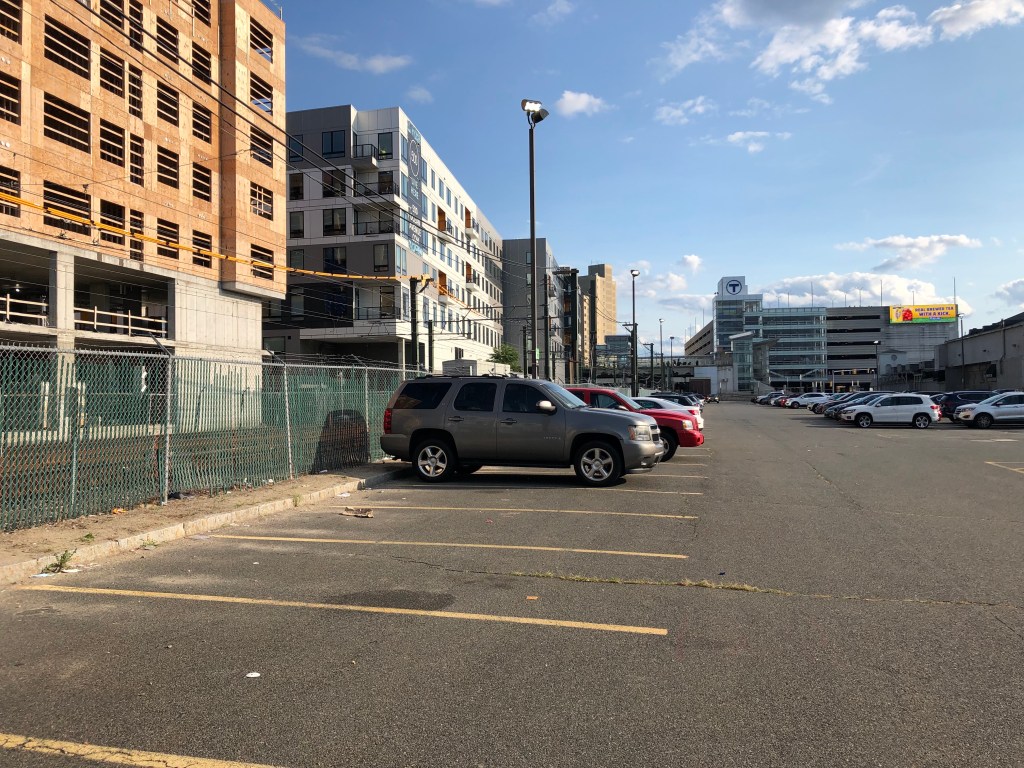
Boston City Councilors Sharon Durkan and Henry Santana are introducing a proposed amendment to Boston’s zoning code to eliminate minimum off-street parking requirements for new housing in the city – a key step towards making housing more affordable, especially for lower-income households that are reliant on public transit.
The proposal follows a December City Council hearing where city councilors heard testimony on how the city’s parking rules make housing more expensive and less practical to build, and how they also increase traffic and reduce transit ridership by subsidizing car-ownership in the city’s most walkable neighborhoods.
Those rules have been in place for decades now, and they’ve contributed to making Boston one of the least affordable cities in North America.
The median rent for an apartment in Boston is now about $3,000 per month, but you can rent a parking space downtown for as little as $500 a month.
“At a time when housing production remains near historic lows and costs continue to rise, Boston must use every available tool to increase affordability and expand the housing pipeline,” said Councilor Durkan in a press release announcing the proposal.
“This zoning amendment is a step in the right direction. Our residents deserve affordable housing and more walkable, connected neighborhoods.” added Councilor Santana.
Following the trend
Several other cities in the region have already adopted similar zoning reforms in the interest of providing more affordable housing.
Cambridge repealed its requirements for off-street parking in new buildings in October 2022. Somerville followed suit in December 2024.
Last fall, the City of Salem repealed its off-street parking requirements for new multifamily apartment buildings. The cities of Portland, Maine, Burlington, Vermont, and Hartford, Connecticut have all replaced their minimum parking mandates with new maximum parking regulations that limit the size of parking lots in new developments.
Boston itself already limits parking in large developments that are subject to its “Article 80” review process, which applies to projects that build over 50,000 square feet of floor area.
Even with those rules in place, though, Boston’s city planners regularly approve the construction of thousands of additional parking spaces every year in new development projects.
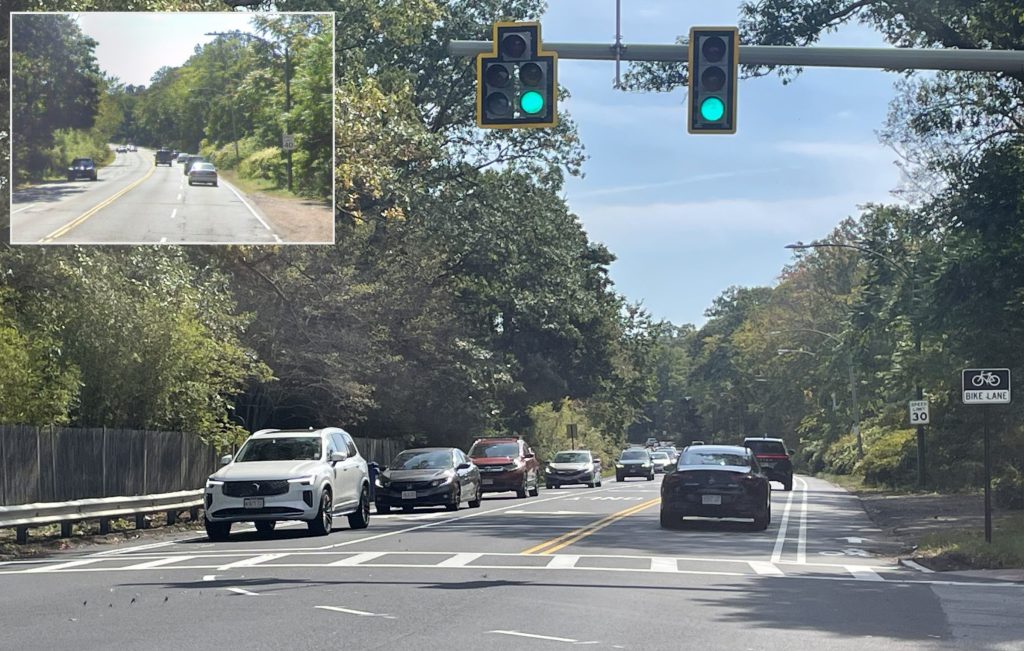
In 2023 alone, Boston’s planning agency approved 69 Article 80 development proposals that included enough off-street car storage for up to 8,053 additional cars into the city – enough to fill all eight lanes of the Southeast Expressway (I-93) with bumper-to-bumper traffic from the Neponset River to downtown Boston.
The Article 80 rules also don’t apply to smaller developments. That means that someone who wants to build a $25 million apartment building doesn’t have to pay for any on-site parking, but someone who wants to build a 3-unit triple-decker needs to set aside enough land to pave two to three parking spaces in the yard.

Read More:
Streetsblog has migrated to a new comment system. New commenters can register directly in the comments section of any article. Returning commenters: your previous comments and display name have been preserved, but you'll need to reclaim your account by clicking "Forgot your password?" on the sign-in form, entering your email, and following the verification link to set a new password — this is required because passwords could not be carried over during the migration. For questions, contact tips@streetsblog.org.