New Bluebikes Contract Takes Effect, Focused on Expansion and E-Bikes
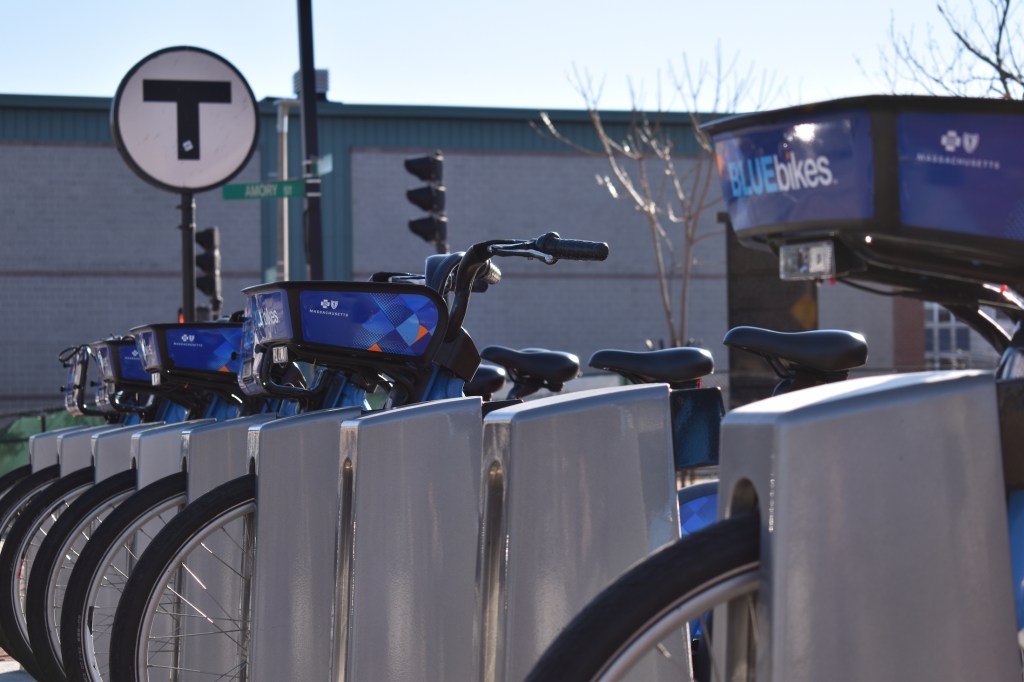
The greater Boston region has a new contract for the municipally-owned Bluebikes bikesharing system.
The new agreement retains Lyft, the system’s current operating contractor, and replaces the previous operating contract, which took effect in April 2017.
The operating contract governs the day-to-day operations of the Bluebikes system – things like processing rider payments, providing customer service, and conducting maintenance on bikes and stations. Lyft does that work under its contract with the city governments of Boston, Cambridge, Somerville, and other participating cities, who collectively own the system’s bikes and stations.
The updated contract represents the culmination of a year-long procurement process managed by the Metropolitan Area Planning Council (MAPC), a regional planning organization. MAPC issued a “request for proposals” last year and has been negotiating with Lyft since last fall.
Among the highlights of the new deal:
- A revenue-sharing agreement that will be more financially advantageous for the municipal governments that own the system;
- A focus on adding more pedal-assist e-bikes across the system, plus the rollout of new docking stations that can more reliably recharge bikes without labor-intensive battery swaps;
- New systemwide performance standards that aim to ensure bikes will be well maintained and that bikes and docking spaces will be available when customers need them.
A financially self-sustaining system
After several years’ worth of ridership and membership growth, the Bluebikes system is now able to cover its day-to-day operational costs without any taxpayer subsidy, according to bid documents that Lyft submitted last year.
Under the terms of the new contract, then, cities and towns will no longer need to pitch in to subsidize the system’s operations.
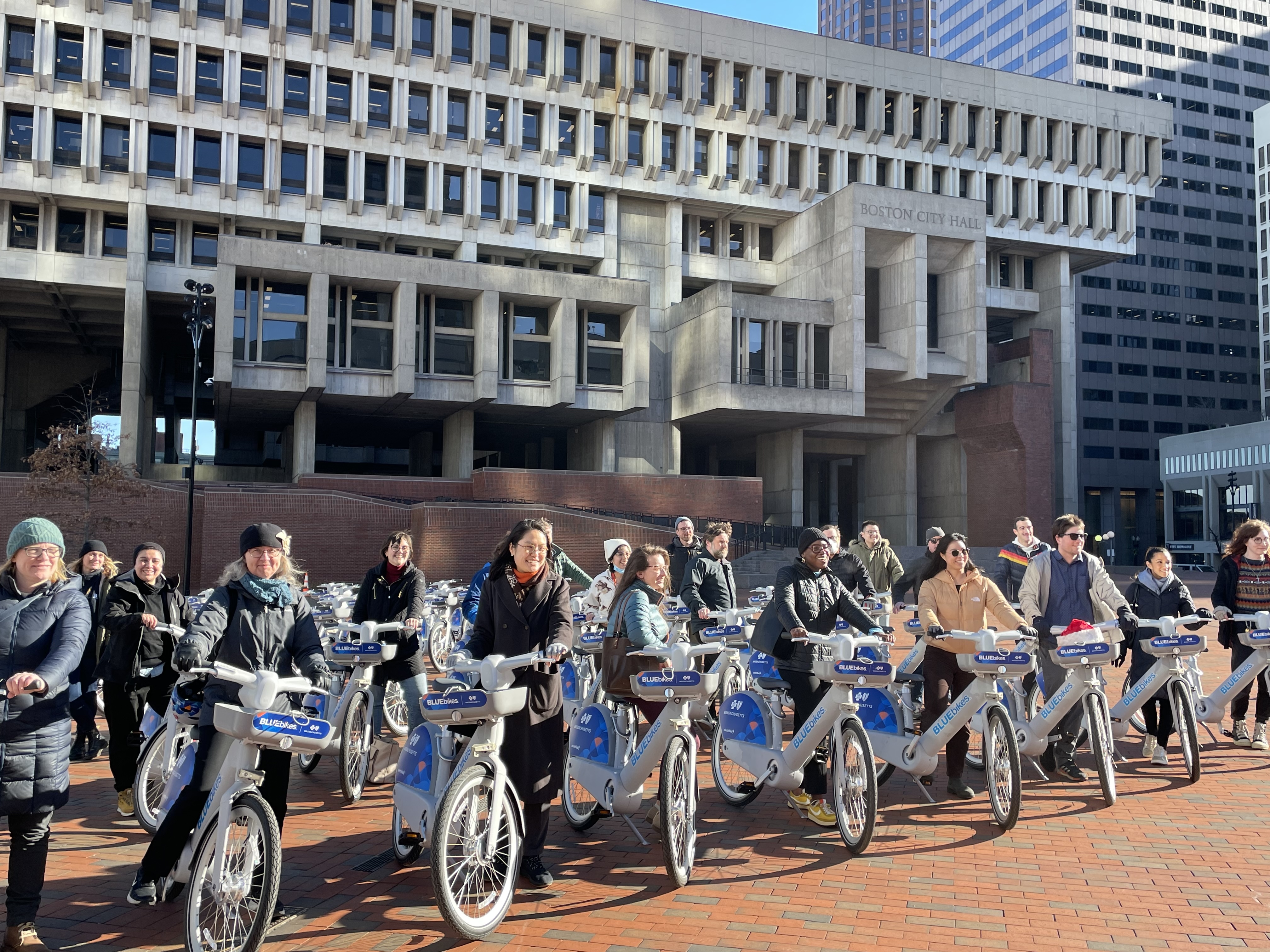
In fact, the new contract specifies that Lyft will pay its municipal owners $100,000 per month from sponsorship revenue, plus a small percentage of day-pass revenues, in a new revenue-sharing agreement.
The elimination of municipal operating subsidies will remove what has historically been a significant financial barrier that had prevented several smaller cities and towns in the region from joining the Bluebikes system.
The City of Quincy is poised to be the next city to join the network. In March, Quincy received a $250,000 state grant that will help cover the capital costs for the first Bluebikes docks south of the Neponset River.
In their bid last year, Lyft also mentioned potential expansions to Lynn, Belmont, Winthrop, and Waltham.
Limits on fare increases
The new contract does introduce some modest rate increases for non-member rides. The single-ride unlock fee will go up 5 cents to $3; the cost of a day pass will go up about $2 to $11.99, and the per-minute rates for single trips and day passes will increase from 25 cents to 33 cents per minute (this rate applies to all e-bike rides, and to classic bike trips that last longer than 30 minutes).
Those new rates are expected to take effect before the end of this month.
The contract also sets limits on future rate increases for individual rides and monthly memberships – future price increases will be proportional to the regional rate of inflation.
More e-bikes
One of the factors in the system’s improving financial prospects has been the introduction of e-bikes, which get more use than the traditional bikes and have helped drive a surge in ridership since their introduction in 2023.
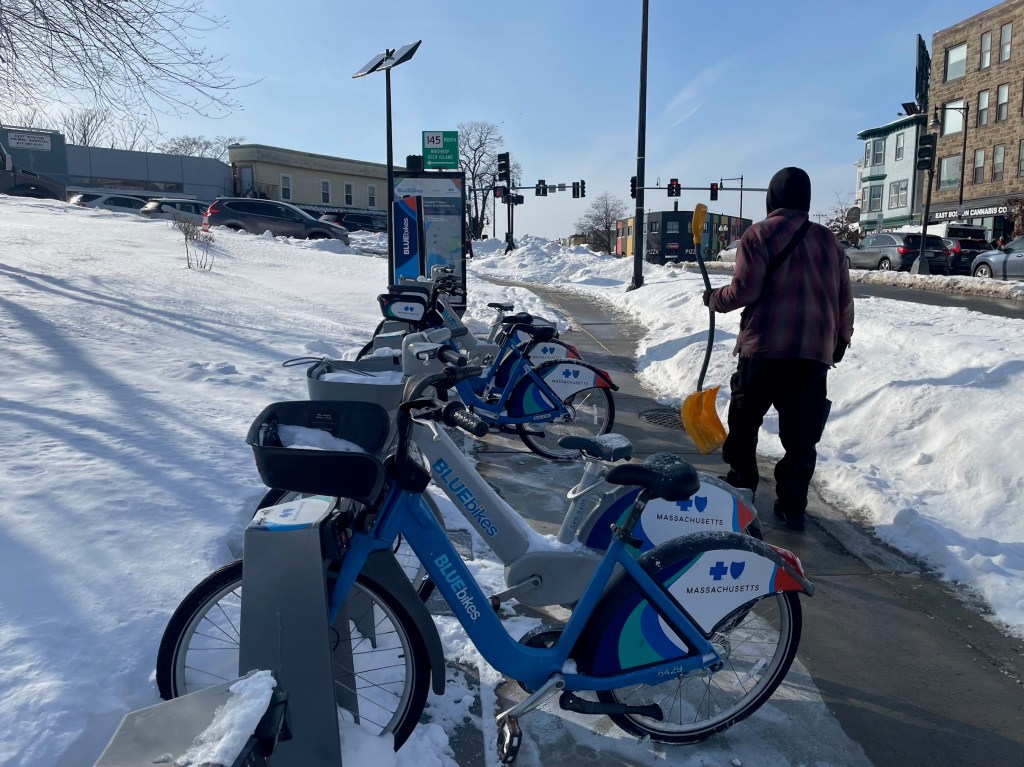
“Abundant e-bikes have the potential to completely transform Bluebikes’ ridership,” wrote Lyft in their 2025 bid. “E-bikes made up 25 percent of annual rides in their first year of operation (2024), despite only making up 13 percent of the total fleet.”
Currently, Lyft’s staff drive around to stations and manually swap out e-bike batteries when they’re running low, which adds considerably to the company’s labor expenses.
To reduce those costs and improve reliability, Lyft wants to electrify 10 percent of its stations in the region (60 to 70 docks) within the first three years of the contract.
Meeting that goal will require extensive cordination from the municipalities that actually own those stations and will need to manage the work to add electrical connections.
To incentivize that work, the new contract specifies that Lyft will pay up to $2 million in bonus payments to the municipalities for their progress towards meeting Lyft’s electrification goals.
For more detailed information:

Read More:
Streetsblog has migrated to a new comment system. New commenters can register directly in the comments section of any article. Returning commenters: your previous comments and display name have been preserved, but you'll need to reclaim your account by clicking "Forgot your password?" on the sign-in form, entering your email, and following the verification link to set a new password — this is required because passwords could not be carried over during the migration. For questions, contact tips@streetsblog.org.