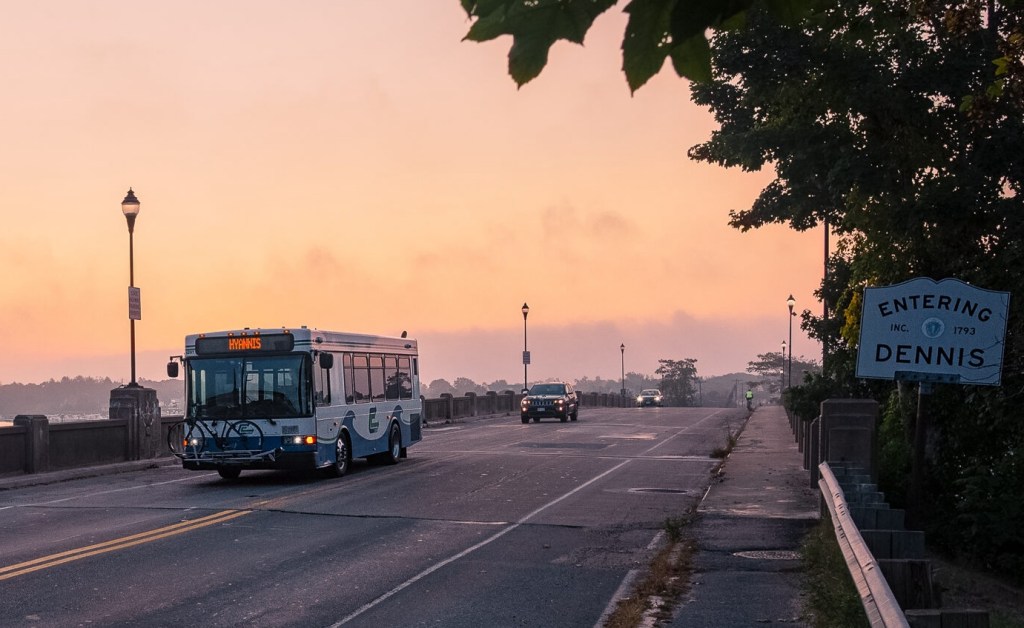
Thursday’s Headlines Don’t Bode Well
Even Europe is not producing enough clean energy to save itself from climate change.

By
Blake Aued
12:01 AM EDT on June 25, 2026

- At the same time that human-driven climate change is contributing to an epic heat wave in much of Europe (Yale Environment 360), a new report suggests that European manufacturers have the capacity to double the number of electric vehicles they produce, cutting oil imports by 67 million barrels (Clean Technica).
- Senate Democrats are aiming to use the Build America 250 Act as leverage to stop the Trump administration from meddling in future transportation projects. (Streetsblog USA)
- Gary Nelson is no fan of automobile-era transportation planning, but argues that President Eisenhower’s pay-as-you go approach to the national highway system in the 1950s may have saved the U.S. economy from collapsing under a pile of debt the 1970s.
- Walt Disney originally meant for Epcot to be a fully functioning town based on the City Beautiful and Garden Cities movements. (A Rabbit’s Foot)
- Some red-state cities like San Antonio, St. Petersburg, Salt Lake City and Boise found ways around the Trump administration’s anti-LGBTQ ban on rainbow crosswalks. (Planetizen)
- California is looking to data centers to secure revenue for a high-speed rail line between San Francisco and Los Angeles. (Newsweek)
- In related news, Caltrans is spending $11 billion to widen a Bay Area freeway that might be underwater by the time the project is finished. (Streetsblog SF)
- During the World Cup, Seattle smashed transit and bikeshare ridership records set during the Seahawks’ Super Bowl parade earlier this year. (The Urbanist)
- Boston officials are having second thoughts about a center-lane bus rapid transit line on Blue Hill Avenue and are considering an Orange Line subway extension instead. (NBC Boston)
- A recent panel of business leaders discussing Atlanta’s transportation future focused on micromobility, autonomous vehicles and air taxis, but neglected transit and old-fashioned walking and biking altogether. (Metro Atlanta CEO)
- Mesa approved a car-light, transit-oriented Culdesac mixed-use development similar to the one that’s thrived in nearby Tempe. (ABC 15)
- The longest protected bike lane in Columbus, Ohio, on North Fourth Street, is expected to be finished next month. (Underground)
- Knoxville has plans for safety improvements on Broadway, but they weren’t implemented before a crash killed two pedestrians and the driver on Monday. (WATE)
- London has a plan to quicken buses that currently average about the same speed as a horse and carriage. (Centre for Cities)
- Glasgow committed to creating more than 30 miles of safe walking and biking infrastructure over the next six years to fill in gaps in the existing network. (Smart Cities World)

Streetsblog has migrated to a new comment system. New commenters can register directly in the comments section of any article. Returning commenters: your previous comments and display name have been preserved, but you'll need to reclaim your account by clicking "Forgot your password?" on the sign-in form, entering your email, and following the verification link to set a new password — this is required because passwords could not be carried over during the migration. For questions, contact tips@streetsblog.org.
More from Streetsblog Massachusetts
It’s Not Nothing: LivableStreets Report Assesses Progress In Three Cities After A Decade of ‘Vision Zero’
The report singles out the City of Somerville, where there have been no fatal crashes since 2022, as a success story with policies worth emulating.

June 26, 2026
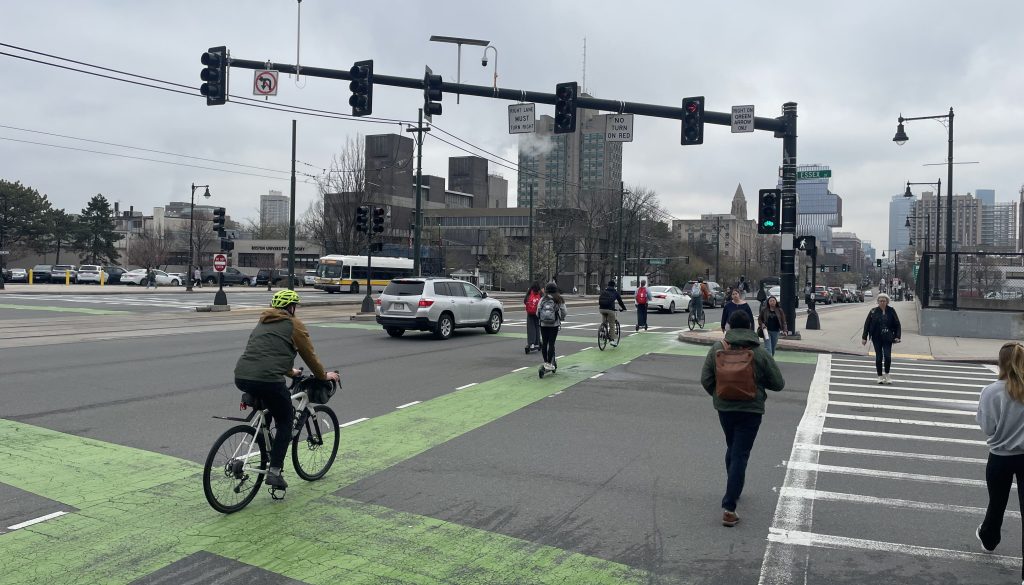
Friday’s Headlines Change Their Rhetoric
Transit agencies aren't helping their own case for additional funding by continuing to emphasize COVID.
June 26, 2026
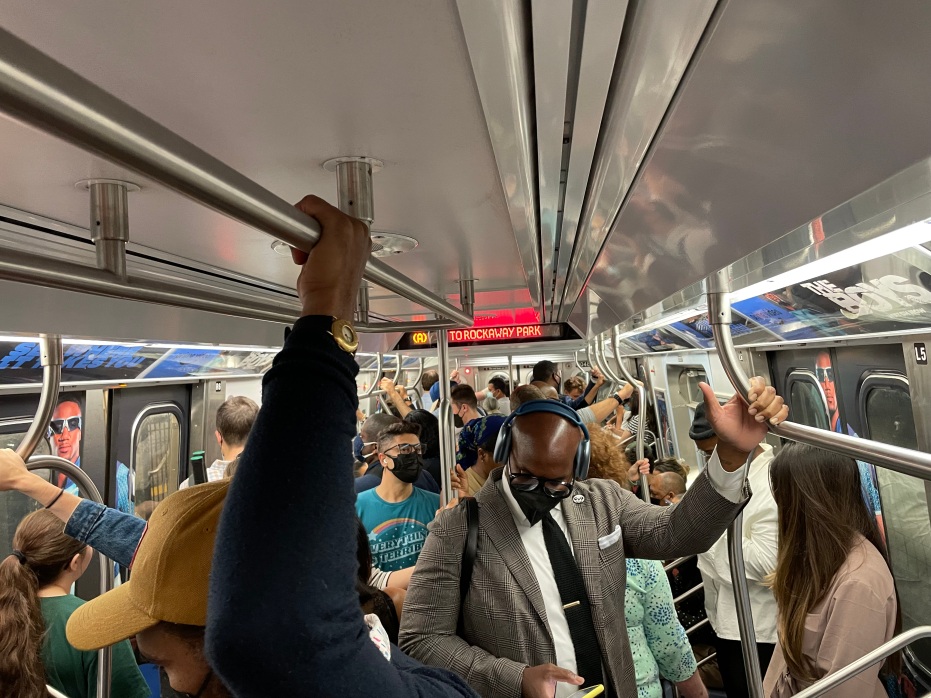
Healey Administration Awards $8.6 Million in MassTrails Grants – Here’s What’s Getting Funded
Trail advocates from all over the Commonwealth gathered yesterday at the Rauscher Farm in Clinton, next to a future segment of the Mass Central Rail Trail, as state officials announced this year's round of MassTrails grants to support the planning, design, and construction of new trails all over the state.
June 25, 2026
Driver Kills 15-Year-Old Boy In Franklin
The homicide is under investigation by local and state police.
June 24, 2026
Regional Transit Authority Ridership Is Way Up, Thanks to Fare-Free Service
Data indicates that ridership surges in the years after agencies introduce fare-free operations.
June 23, 2026