It’s Not Nothing: LivableStreets Report Assesses Progress In Three Cities After A Decade of ‘Vision Zero’
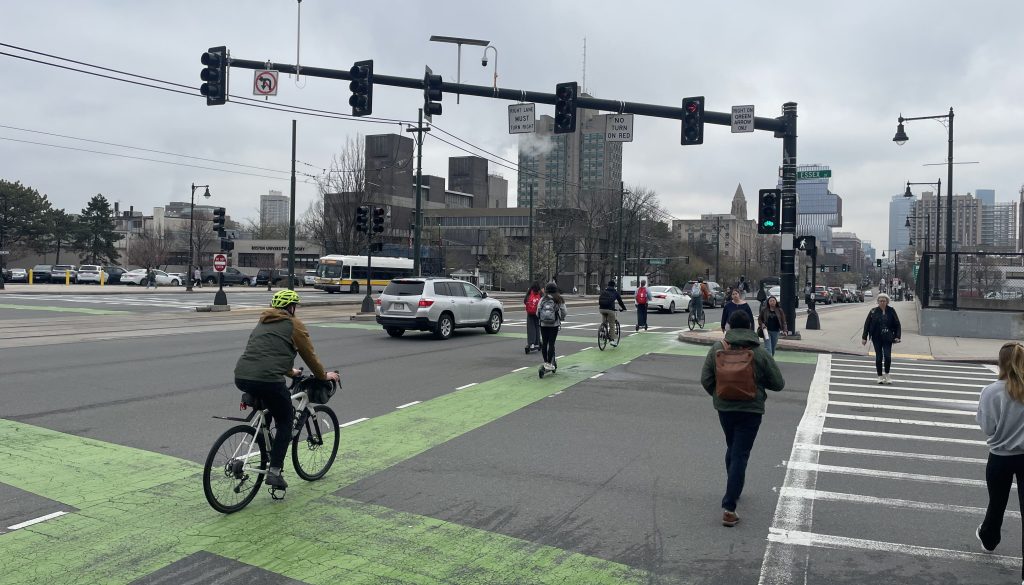
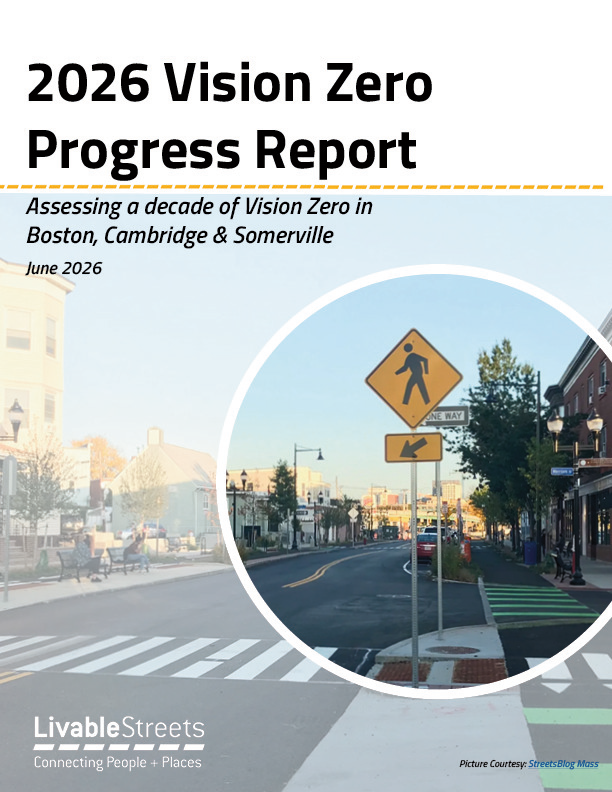
The LivableStreets Alliance has published a new report that assesses how effective Boston, Cambridge, and Somerville have been at realizing their “vision zero” goals to eliminate serious injuries and deaths on city roadways.
The report reveals that all three cities have made meaningful progress in improving street safety, although the authors acknowledge that the work has been “uneven at times.”
The report also singles out the City of Somerville, where there have been no fatal crashes since 2022, and where the number of serious injury-causing crashes has shown a steady decline over the past decade, as a municipality that’s “poised to be a national leader on traffic safety.”
Vision Zero is an international roadway safety initiative that focuses on the fact that deaths and serious injuries on public streets are entirely preventable through better, safer street design and other government policies that can reduce the risks of motor vehicle crashes.
Boston Mayor Marty Walsh brought the Vision Zero to Massachusetts in 2015, when he announced a commitment to eliminate serious crashes by 2030.
The cities of Cambridge and Somerville followed suit, adopting a vision zero commitment in 2016 and 2017, respectively, and enacting their own action plans.
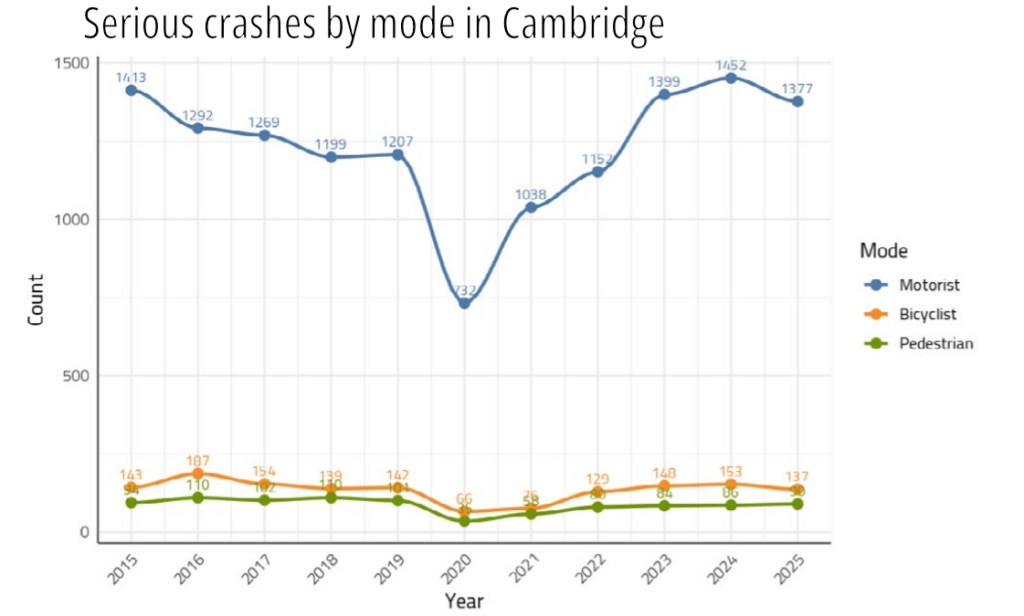
The new LivableStreets report analyzes a decade’s worth of crash data in all three cities to analyze how each municipality is making progress towards the Vision Zero, and evaluate their different strategies towards getting there.
“The one big takeaway is that Vision Zero actually works,” Maha Aslam, a program manager for LivableStreets and one of the authors of the report, told StreetsblogMASS on Thursday. “And it works best when hen a city has a consistent strategy and commitment.”
But the data also revealed suprising differences between Boston, Cambridge, and Somerville, each of which have enacted their own unique strategies and approaches.
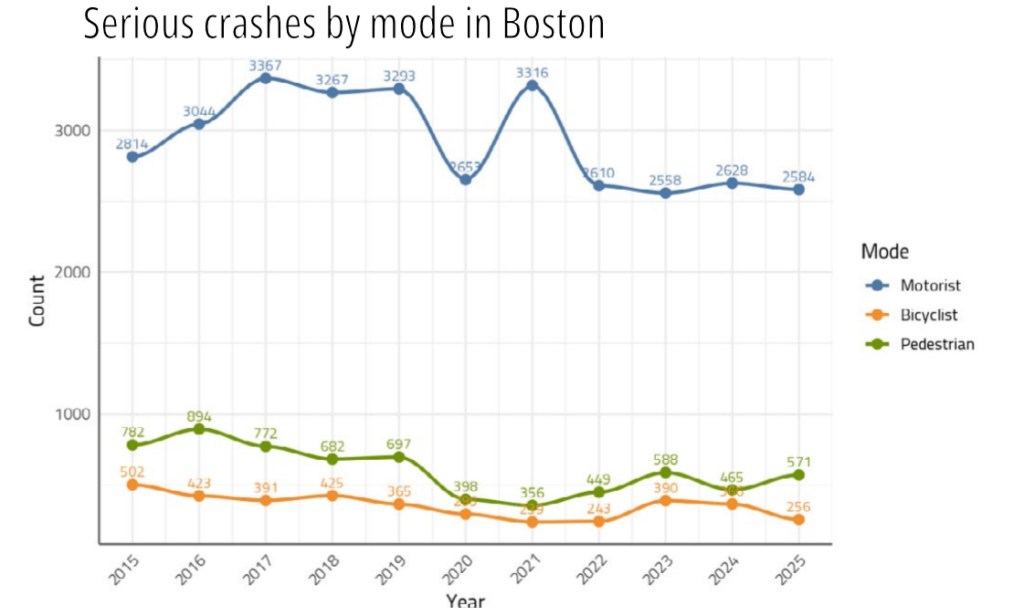
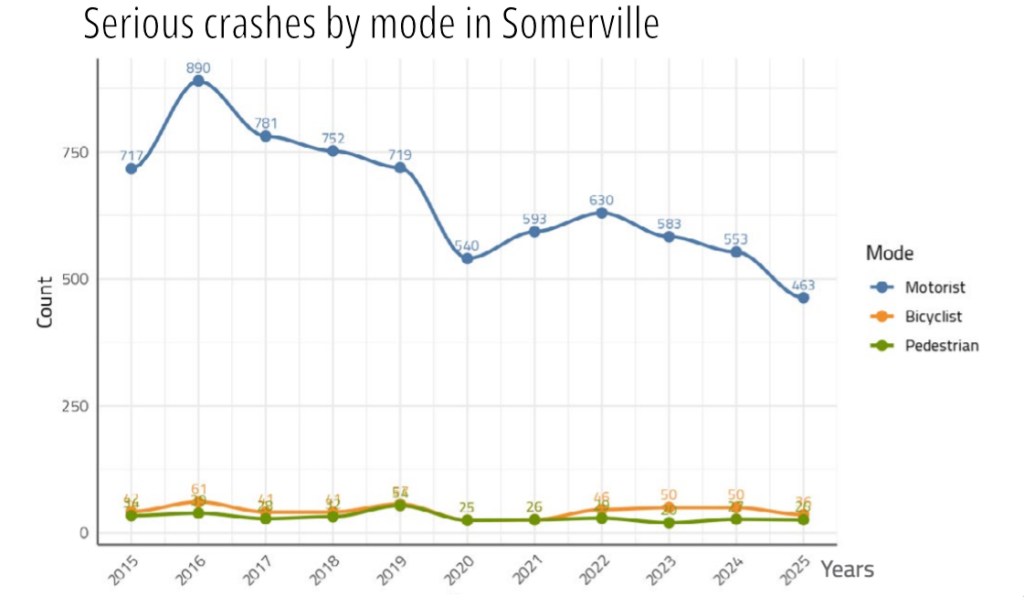
All three cities reduced their default speed limits early in their Vision Zero programs, and subsequently expanded traffic-calming infrastructure programs for neighborhood streets.
But in other respects, the three cities have taken different approaches.
In Somerville, the smallest of the three cities, transportation planners have been extremely engaged with state agencies like MassDOT, which control some of the city’s most dangerous roadways and have begun implementing significant safety improvements in response to fierce pressure from local advocates.
In Cambridge, some of the most visible changes in the city have been the buildout of a citywide network of protected bike lanes, in concordance with the city’s 2020 Cycling Safety Ordinance.
Boston, by contrast, focused its resources on streets with the highest rates of injuries.
Boston implemented successful redesigns of some of those streets, like Tremont Street in the South End, Centre Street in West Roxbury, and the roadways around the Boston Common and Public Garden.
However, those programs have stalled more recently under Mayor Wu’s new Chief of Streets, Nick Gove, who has struggled to execute long-planned infrastructure projects for the city.
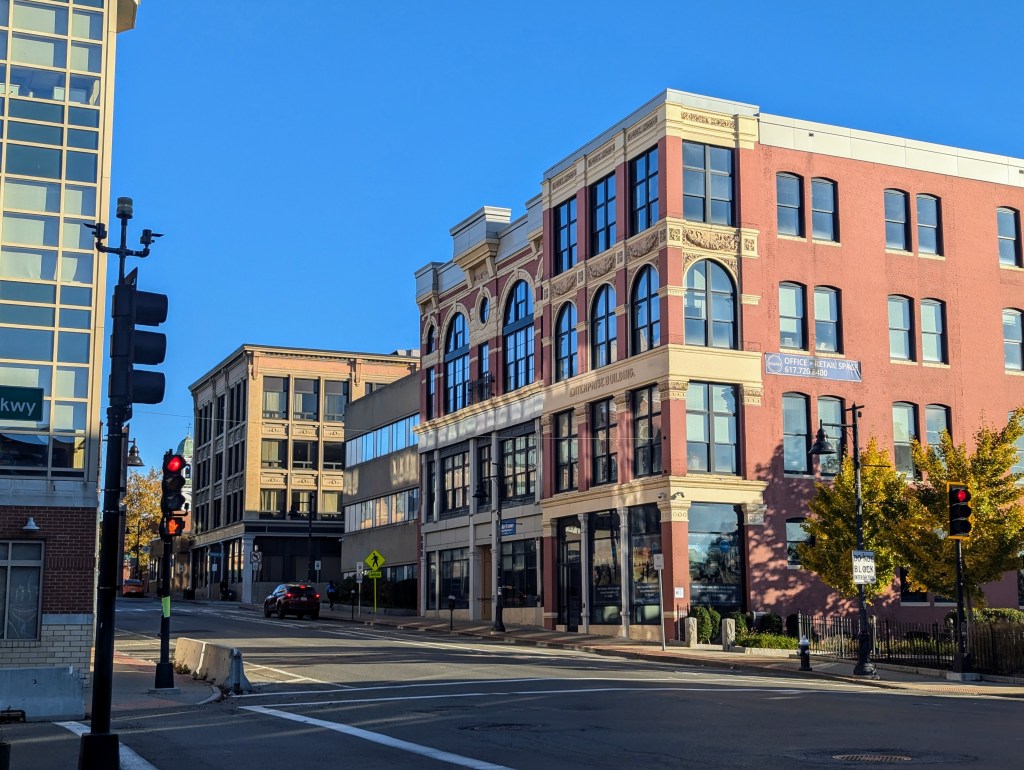
Safety improvements for some high-crash corridors – like Blue Hill Avenue – remain mired in not-in-my-backyard political controversies, while other, uncontroversial projects – like Boylston Street in the Fenway and Columbus Avenue in Roxbury – have been delayed indefinitely by Mayor Wu and her leadership team.
Local officials still have influence on state-controlled highways
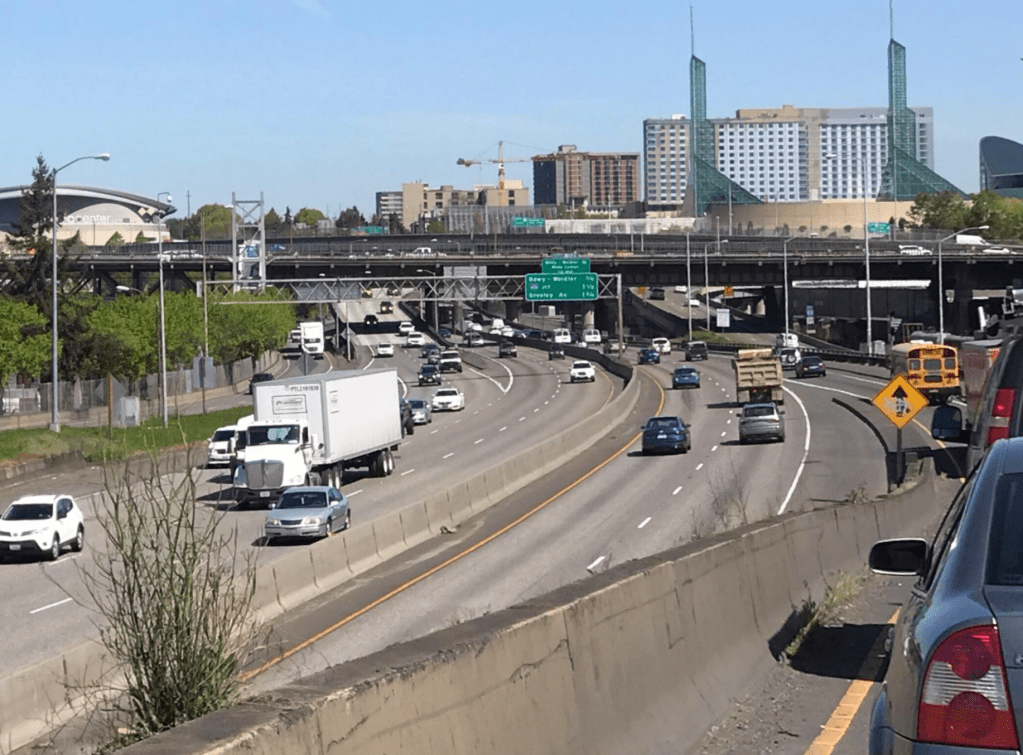
In both Cambridge and Somerville, most of the worst crashes happen on state-owned highways like the “corridor of death” around Interstate 93, and the Memorial Drive, Fresh Pond, and Alewife Brook “parkways,” which are generally under the jurisdiction of the state’s parks agency, the Department of Conservation and Recreation (DCR).
Aslam observes that Somerville has been extremely engaged with MassDOT officials to slow down cars and improve safety in the Mystic Ave./McGrath Highway corridor, where drivers killed multiple pedestrians during the Covid-19 pandemic.
Cambridge, by contrast, doesn’t have any comprehensive plans in place to tame traffic on its most dangerous DCR-controlled roadways, which also rank among the city’s worst sources of air pollution and state-subsidized traffic congestion.
A lane reduction project for a short, lower-traffic segment on Memorial Drive is currently under construction, but MassDOT recently made clear that it does not intend to expand that project into the more heavily-used part of the city’s riverfront parkland.
“Cities do have influence over what the state agencies do. It has to be a long-term relationship,” says Aslam. “Somerville has taken a decade to plan their McGrath Boulevard project and bringing state agencies along on that.”
Actually getting to zero
The LivableStreets report concludes with a number of recommendations for the region’s cities to learn from what’s worked so far, and actually move the region closer to eliminating serious injuries and deaths on the region’s roadways.
One request that advocates have is for the state to improve, and standardize, its crash data. MassDOT’s crash database currently relies on information from police reports, but some cities, like Boston, also collect data from city EMS services.
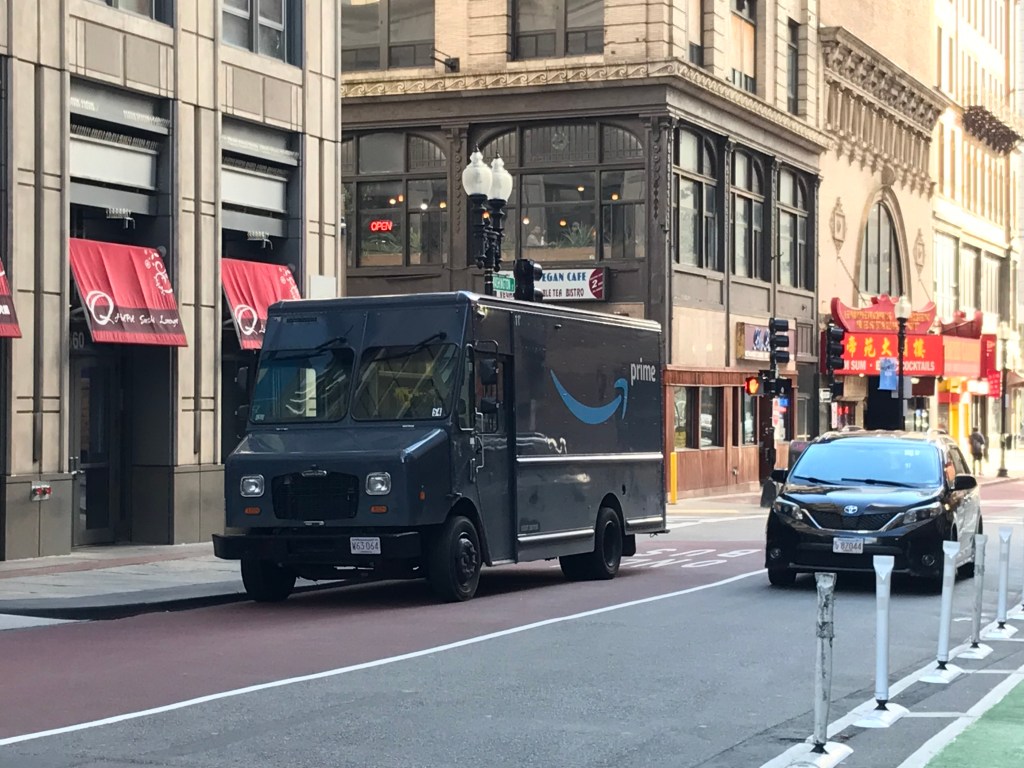
Another recommendation that will likely require state-level action is for better regulation of large trucks, which cause a disproportionate number of fatal crashes.
On the municipal level, though, the report calls for cities and their elected officials to embrace a firm commitment to street safety, instead of making it a subject of political debate.
The report notes that Cambridge’s Cycling Safety Ordinance in 2020 made safe cycling infrastructure the default expectation for street projects.
Somerville later one-upped their neighbors with its own, more comprehensive Safe Streets Ordinance in 2024, which mandates a citywide bike network, but also sets requirements for the city to upgrade pedestrian safety infrastructure and transit accessibility.
In addition to policies like these, safe streets programs also need a consistent source of funding in municipal budgets, as well.
“Street safety should not be treated as a series of individual projects, but as a
consistent policy approach,” the LivableStreets report argues. “Vision Zero should be embedded into all street redesign efforts, ensuring that every project, regardless of scale, prioritizes safety.”

Read More:
Streetsblog has migrated to a new comment system. New commenters can register directly in the comments section of any article. Returning commenters: your previous comments and display name have been preserved, but you'll need to reclaim your account by clicking "Forgot your password?" on the sign-in form, entering your email, and following the verification link to set a new password — this is required because passwords could not be carried over during the migration. For questions, contact tips@streetsblog.org.