Boston Tests the Waters for Cargo e-Bike Deliveries
Citing climate goals and a surge of curbside delivery traffic, the City of Boston has issued a “request for information” from potential vendors and delivery companies “to understand how e-cargo bikes could fit into Boston’s delivery landscape.”
“Parcel delivery services must be reconstructed to support our goal of carbon neutrality, get goods to our residents in a more efficient manner, and optimize the use of our curbspace,” according to the city’s advertisement.
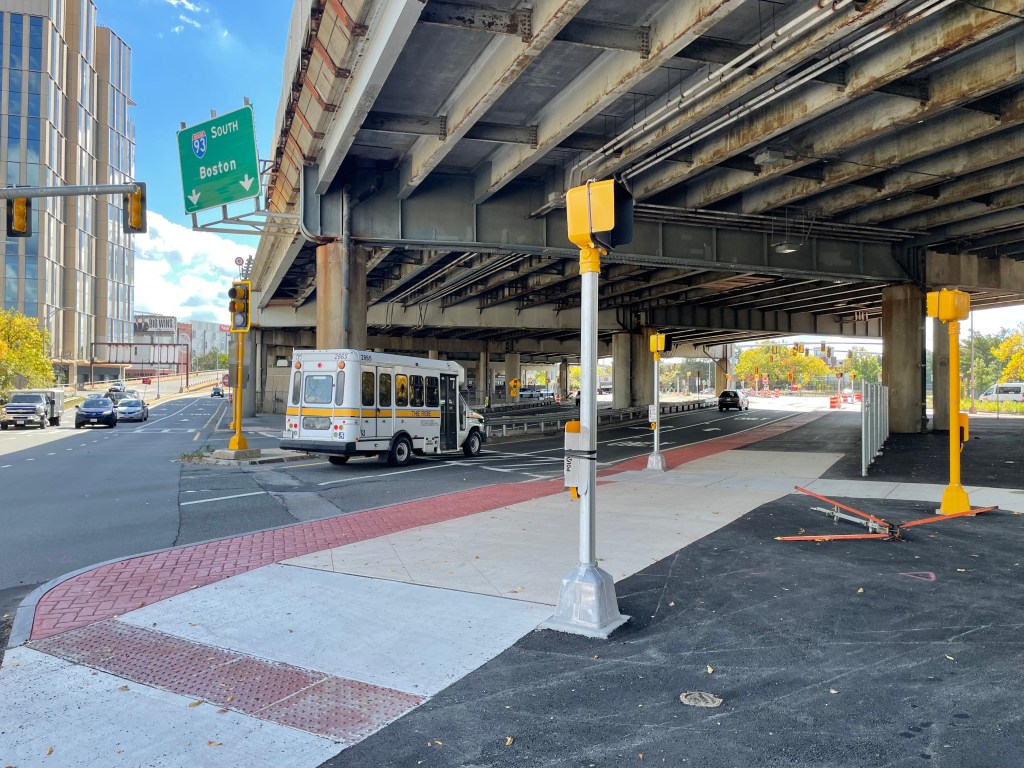
Delivery trucks are a notorious source of congestion on Boston’s streets – particularly downtown. Last fall, in its “Seeing Red” special report, Boston Globe reporters observed one UPS truck downtown that was “illegally parked for fully 5 hours and 6 minutes” out of a 7-hour shift.
By encouraging bike-powered deliveries, the advertisement continues, “we aim to reduce the burden that vehicular parcel delivery weighs on Boston’s limited curbspace. We also seek to counter the rise of vehicle traffic and ensuing air pollution tied to consumer preference for at-home delivery.”
The city asks respondents to specify new policies, pilot programs, regulations and other suggestions that would help cultivate a “sustainable, long-term” market for bike-powered cargo deliveries.
In New York, where modest fleets of bicycle-powered deliveries have been operating for most of the past year, could offer some lessons for Boston’s program.
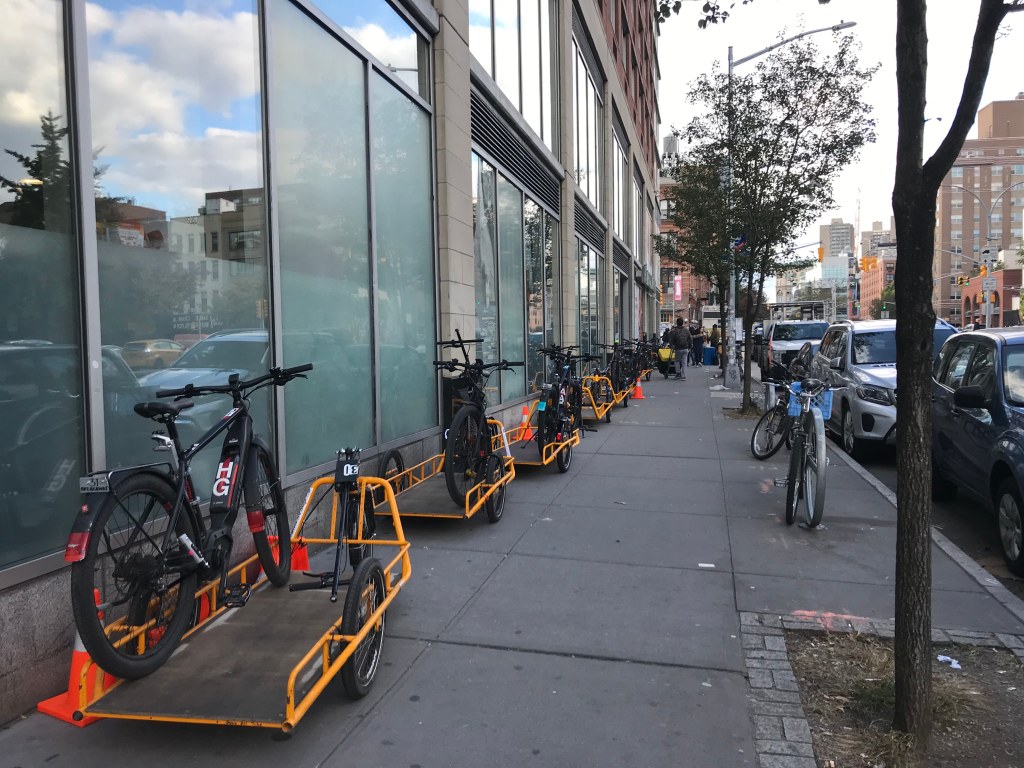
Amazon, making use of crowded sidewalks outside of its Whole Foods grocery stores as logistics hubs for deliveries to surrounding neighborhoods, has been the biggest user of bike deliveries so far, while traditional package delivery companies like DHL and UPS have only deployed a handful of cargo bikes in the city.
Conflicting regulations may be a factor in New York’s slow adoption of cargo bikes for deliveries. New York state formally legalized e-bikes in April, several months after New York City’s pilot program was announced.
Boston’s request apparently anticipates a formal legalization of pedal-assist electric bikes from Massachusetts lawmakers. Language to define and regulate e-bikes has been included in the Massachusetts Senate’s transportation bond bill, but that language still needs approval from the House and the Governor.
For more information:
Download the city’s “request for information” here.
Responses are due by August 24.

Read More:
Streetsblog has migrated to a new comment system. New commenters can register directly in the comments section of any article. Returning commenters: your previous comments and display name have been preserved, but you'll need to reclaim your account by clicking "Forgot your password?" on the sign-in form, entering your email, and following the verification link to set a new password — this is required because passwords could not be carried over during the migration. For questions, contact tips@streetsblog.org.