Guest Column: We Don’t Trust Mayor Wu to Keep Us Safe. Here’s Why

On April 25, Mayor Michelle Wu joined about 60 of us for the fourth annual Hyde Park Avenue Safety Walk.
She acknowledged what everyone who lives along the corridor already knows: Hyde Park Avenue is wildly unsafe, buses are chronically stuck in traffic, and the City needs to act.
She asked us for two things that have become increasingly hard to muster: patience and trust. We wanted to give it to her.
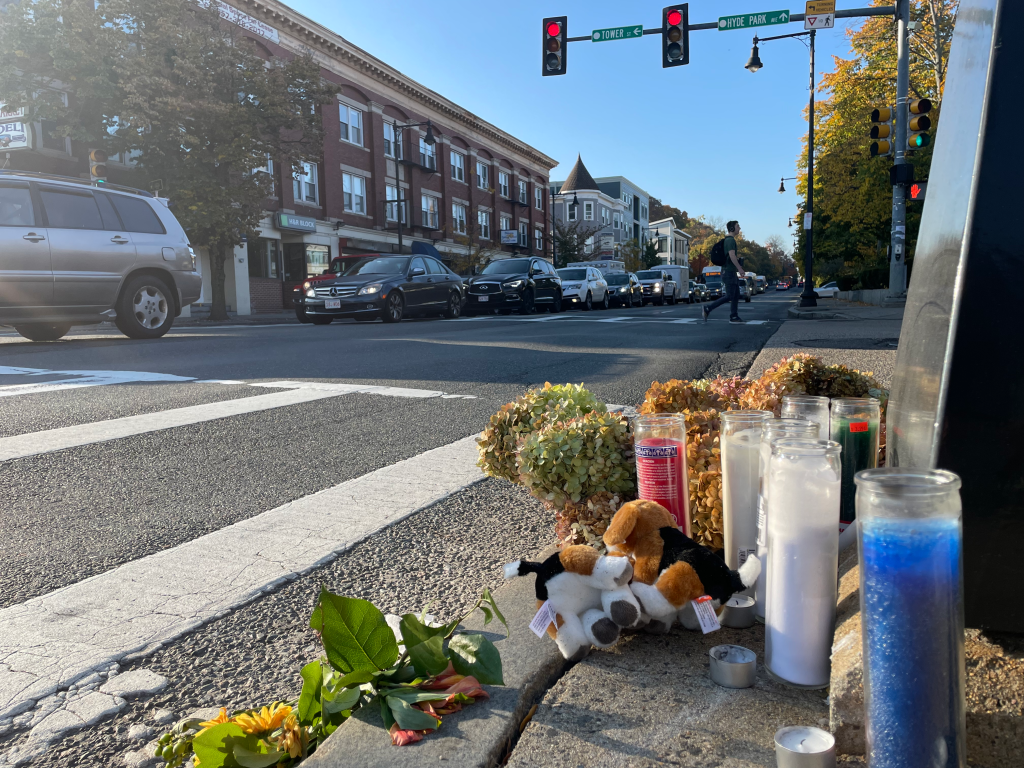
For seven years, more than 700 residents have worked with the City to make Hyde Park Avenue safer. We’ve attended meetings, participated in workshops, organized our neighbors, held annual safety walks, petitioned local businesses, and spoken at the memorial of a neighbor killed by the street’s unsafe design.
We’ve done everything engaged citizens are supposed to do, but after all these years, the city still hasn’t done anything.
After the Mayor’s visit, we wrote to her team with one, overarching request: don’t start over. Build on the city’s 2021 designs. Improve them if necessary. But don’t pretend that seven years of studies, engineering, and community engagement never happened.
Instead, we learned last week that the City intends to buy another consultant-led traffic study before it considers a larger project. This will require involvement from more bureaucracies, more funding, and several more years of inaction. After seven years, we’re getting another study.
That’s not the Michelle Wu we voted for.
As a candidate, Wu argued that Boston needed “more than words and data—we need an actionable plan.” She promised to reduce “costs and time in implementing projects.”
That’s exactly what we thought Hyde Park Avenue would become: a chance to show that City Hall could stop studying problems everyone already understands and start solving them.
Instead, the administration’s instinct is to procrastinate and hold more meetings.
This isn’t because the trade-offs are unclear. Reallocating street space always creates winners and losers. Some drivers may spend longer in traffic. Some residents and businesses may lose on-street parking so that other residents won’t have to risk their lives.
But Hyde Park Avenue’s current design is also a trade-off, one with more losers than winners. It reflects an obsolete 20th-century approach to transportation planning that subsidizes car traffic at everyone else’s expense, and chokes the entire neighborhood with traffic as a result.
Leadership isn’t finding a process that eliminates those disagreements: it’s making a decision anyway and helping to get others on board.
Avoiding those decisions is also a choice: a choice to embrace a failed, and deadly, status quo.
What’s especially frustrating is that the City is rejecting a workable, vetted plan to make the street better: a substantially less expensive project that would speed up buses, advance the Mayor’s own climate goals, avoid multi-agency complexity, and already has support from the MBTA and the relevant City Councillors.
The city spent a great deal of money, meetings, and effort to produce a design for this scheme in 2020.
Is that plan perfect? Probably not. But cities learn by doing, not by endlessly studying.
We’ve watched the same dynamic unfold on Blue Hill Avenue. Years of engagement didn’t eliminate controversy because they couldn’t. Difficult trade-offs don’t disappear after just one more public meeting.
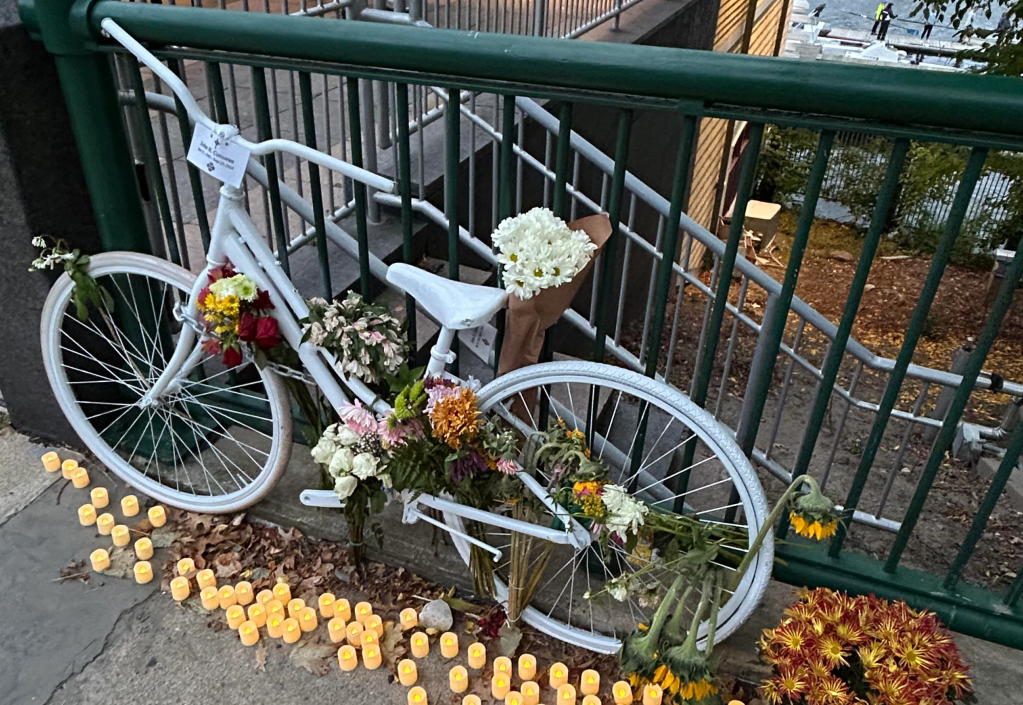
And this week, the consequences of inaction were brought home painfully when one of our neighbors, Louisa Gag, was killed by a driver while commuting to work.
Louisa died a block away from a stretch of Tremont Street near the Roxbury Crossing MBTA station where earlier this year, Boston’s Acting Chief of Streets, Nick Gove, postponed a major traffic calming and center-running busway project.
At some point, elected leaders have to lead. New York is not an easier city to govern than Boston, and its transportation dynamics are arguably more complex. Yet Mayor Mamdani has moved quickly on exactly the kinds of stalled multimodal projects Boston keeps deferring. Within weeks of his inauguration, he announced the start of construction on the McGuinness Boulevard safety redesign in Brooklyn – a project that had been stalled for years – and painted numerous new bus lanes to speed up transit trips on crowded streets.
In New York, the Mayor is building trust by getting things done. Mayor Wu has had five years, and on Hyde Park Avenue she is asking us to start over with another consultant-led study that will inevitably come to the same conclusions as all the other studies we’ve already done.
Mayor Wu asked us for our trust. But trust isn’t something government officials ask for, it’s something they earn.
So, to Mayor Wu: fix Hyde Park Avenue, and then we’ll talk about trust.

Streetsblog has migrated to a new comment system. New commenters can register directly in the comments section of any article. Returning commenters: your previous comments and display name have been preserved, but you'll need to reclaim your account by clicking "Forgot your password?" on the sign-in form, entering your email, and following the verification link to set a new password — this is required because passwords could not be carried over during the migration. For questions, contact tips@streetsblog.org.