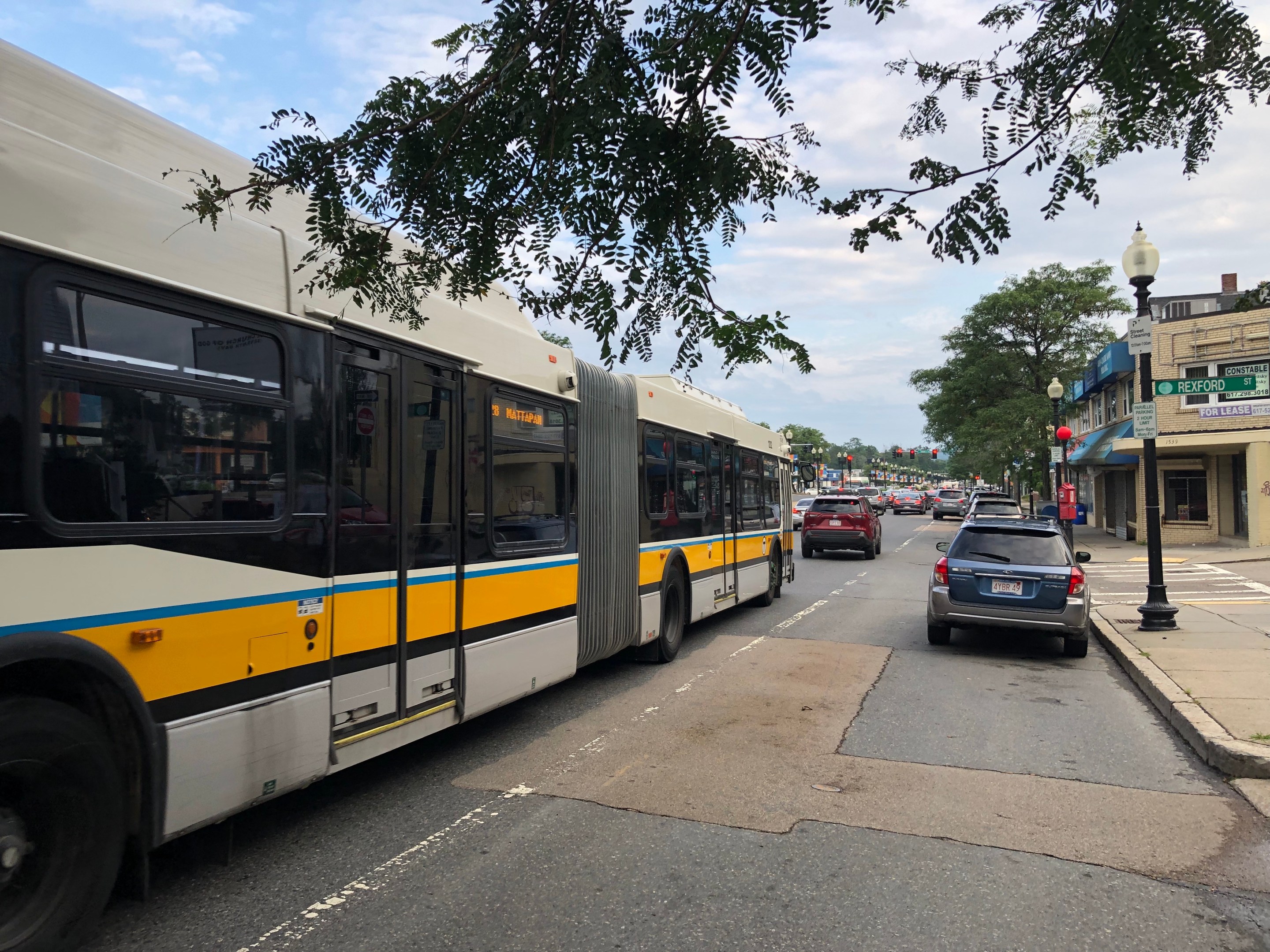
Boston's fare-free bus routes in Roxbury and Mattapan have become some of the slowest buses in the entire MBTA system, to the point where the costs of riders' wasted time generally cancels out the benefits they enjoy from free fares, according to data compiled from TransitMatters.
"It's definitely slower," said Osvaldo Cabral, a Roxbury student who was waiting in Nubian Square to catch a 28 bus towards Mattapan on Tuesday afternoon. "There's too many people, people are always pressing the stops, there's fighting on the bus and then they have to stop... and there's more traffic."
When asked whether he'd rather pay a fare for a bus that's faster, or ride a fare-free bus that's delayed in traffic, Cabral said he'd prefer the former option.
"I'd pay if I could make it on time," Cabral said.
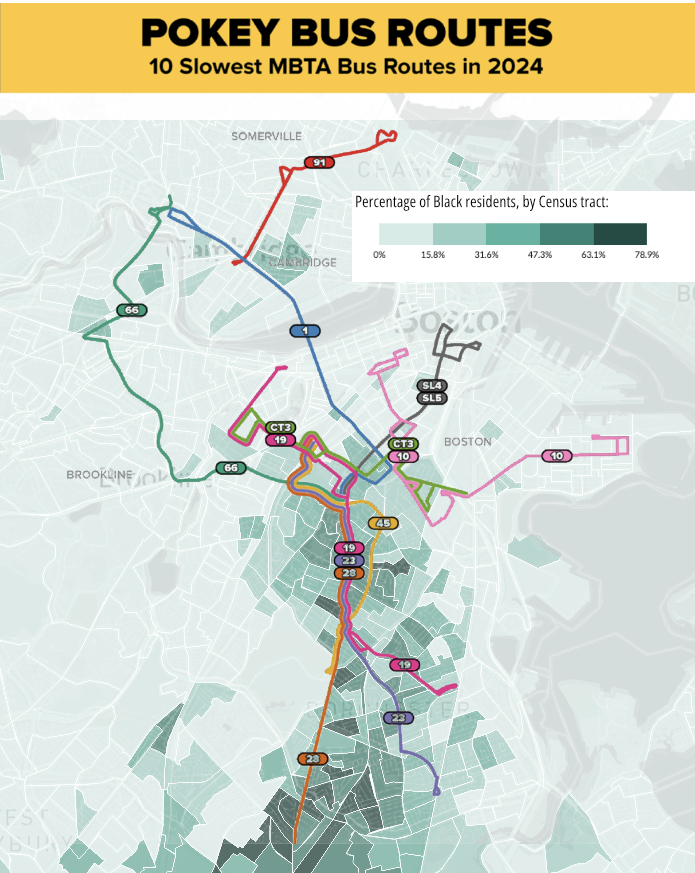
In their second annual Pokey/Schleppie Awards report, which highlights the slowest and most bunched bus routes in the MBTA system, TransitMatters found that the fare-free 23 and 28 buses rank among the region's slowest bus routes, with average speeds of 6.6 and 6.7 mph, respectively.
The 28 also suffered one of the biggest decreases in average speeds from the previous year.
In 2023, TransitMatters found that the 28 had an average speed of 8.5 mph, which translates to an average travel time of about 30 minutes for the 4.3 mile trip from Nubian Square to Mattapan Square.
For 2024, that trip was an average of 8 minutes longer – and rush-hour trips, when buses are the most crowded, can take considerably longer.
For anyone whose time is more valuable than the minimum wage rate of $15 per hour (25 cents a minute), the cost of those longer bus trips outweighs the $1.70 savings of a fare-free bus ride.
Black neighborhoods get slower buses
Before the Covid-19 pandemic, researchers found that Black bus riders in the Boston area spent an average of 64 more hours per year on MBTA buses when compared to their bus riders who were white – the equivalent of 8 full working days' worth of lost wages every year.
Nine out of the 10 slowest bus routes identified in the Pokey/Schleppie report pass through Roxbury, one of Boston's most densely populated Black neighborhoods.
Those inequities had been a key concern for Mayor Michelle Wu during her first mayoral election campaign.
"In a city and region where income inequality and racial disparities reflect our geographic segregation, cost and unreliability of public transportation adds an additional barrier for youth, people of color, and everyone who has been left out of the prosperity of our city," wrote then-City Councilor Wu in a 2019 op-ed for the Boston Globe.
But bus riders were considerably less prominent in Mayor Wu's most recent reelection campaign. In the past year, Mayor Wu removed key bus lanes that had primarily benefitted lower-income and non-white bus riders in deference to complaints to white politicians and business leaders in Back Bay and the North End.
According to an MBTA spokesperson, over the course of Mayor Wu's first term, from fall 2021 to fall 2025, the average scheduled bus trip times for the agency's 10 highest-ridership bus routes increased by 15 percent due to increased roadway congestion.
The Mayor's press office evaded answering multiple inquiries from StreetsblogMASS to discuss the worsening delays in MBTA bus service under her administration.
No bus lanes for the busiest bus routes
The 28 was the busiest bus route in the MBTA in 2024, and the 23 was the third-busiest bus route, according to data from the T's automated passenger counters.
As Cabral observed, crowding can slow down transit trips by requiring more stops and longer waits while passengers get on and off.
But several other of the T's most crowded routes aren't on the "Pokey" list of the slowest buses, including the 111 (with the fourth-highest ridership of any bus route), the Silver Line 3 (#6 for ridership) and the 57 (#8).
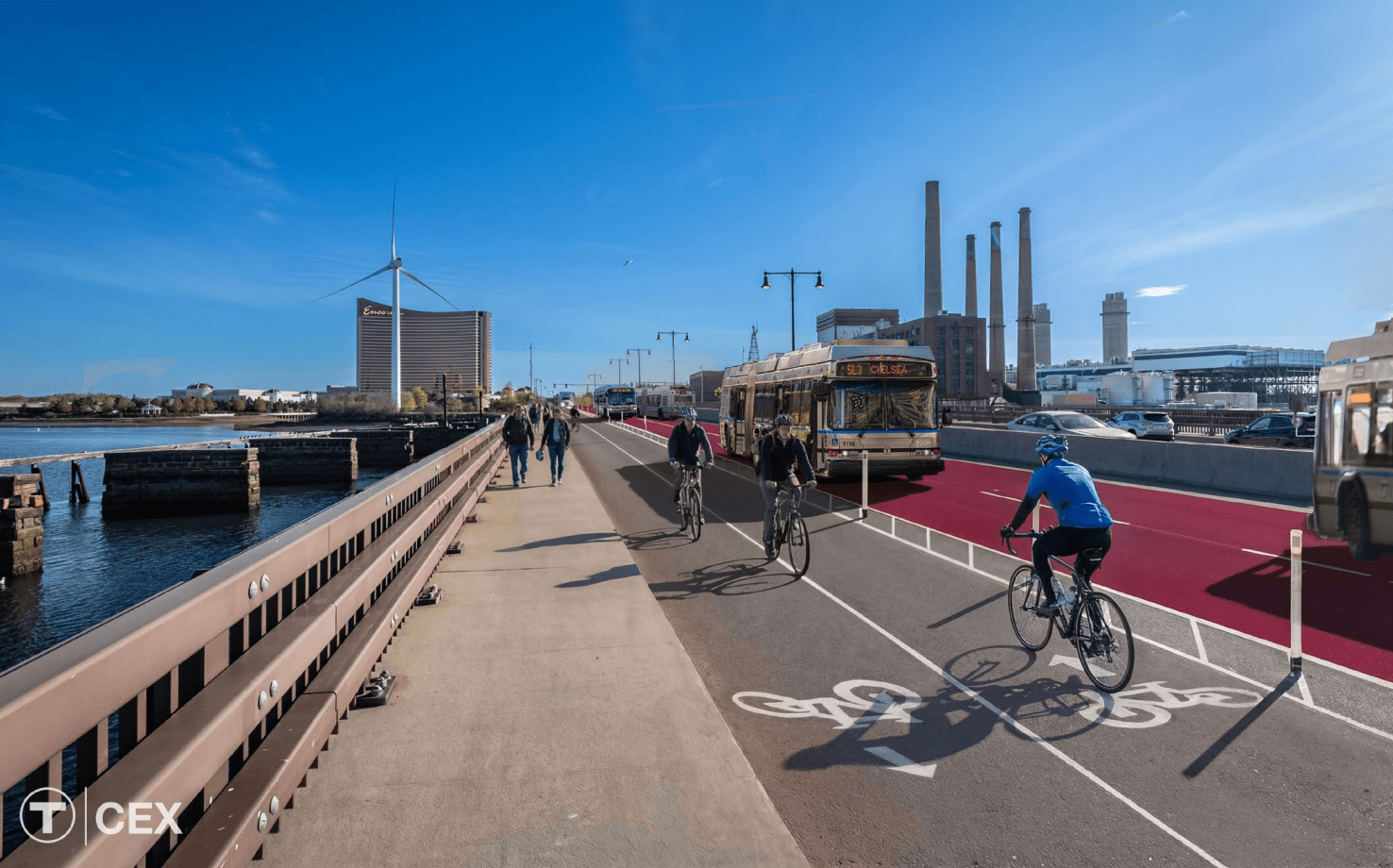
All of those bus lines benefit from dedicated bus lanes on significant portions of their routes.
Under Mayor Marty Walsh's administration, the City of Boston began sharing plans to improve bus service in Roxbury and Mattapan with new bus lanes on Warren Street, an extended center-running transitway on Columbus Avenue between Roxbury Crossing and Ruggles, and a new center-running transitway on Blue Hill Avenue.
Just a few weeks after Mayor Wu's election victory in 2021, Boston and the MBTA won a major federal grant to finance construction on the Blue Hill Avenue project.
But after four years, Mayor Wu still hasn't been able to execute that plan.
Wu's press office also refused to answer questions about the delays, but an MBTA spokesperson told StreetsblogMASS that the Blue Hill Avenue project is still in an early conceptual design phase.
"The MBTA together with the City of Boston expect to re-engage with the community before advancing the project towards implementation," the MBTA spokesperson said.